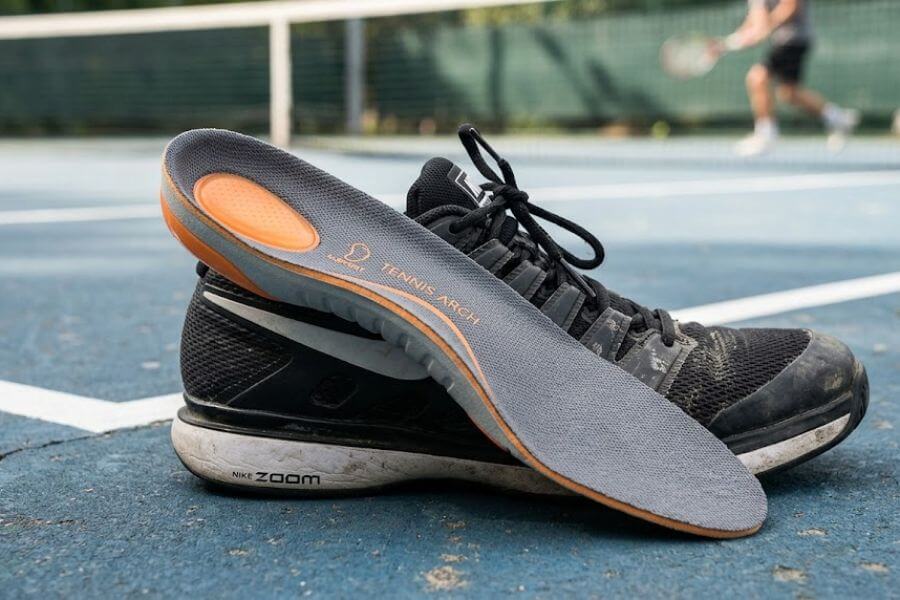
You know that feeling when you have been on the court for an hour, your feet start to ache, and every sudden stop feels like a shock traveling up your legs? Tennis is a brutal sport for your feet because of all the intense side-to-side movement, jumping, and rapid changes in direction. Standard insoles that come in your tennis shoes often lack the support needed to handle that kind of pressure. By upgrading to a high-quality orthotic insole, you can stabilize your arch, cushion your heel, and help prevent those nagging aches that keep you from playing your best game.
Quick Summary Table
| Insole Name | Best Feature | Ideal For |
| PowerStep Pinnacle | Arch Support | Plantar Fasciitis |
| Superfeet Green | Durability | High Arches |
| Sole Performance | Custom Molding | All-Day Comfort |
| Spenco Polysorb | Shock Absorption | Impact Cushioning |
| Tread Labs Pace | Firm Structure | Heavy Duty Support |
| Dr. Scholl’s Sport | Ease of Access | Casual Players |
| ProFoot Orthotic | Value | Budget Conscious |
How We Ranked These
We looked for insoles that specifically address the unique demands of tennis. Here are the key factors we considered:
- Shock Absorption: How well the material dissipates energy from hard court landings.
- Lateral Stability: The ability to keep your foot from rolling during side-to-side cutting moves.
- Arch Support Type: Whether the insole offers firm, medium, or flexible support for different foot shapes.
- Durability: How well the materials hold up under the heavy friction and sweat of intense matches.
- Shoe Fit: Ensuring the insole doesn’t make your tennis shoes feel too tight or shallow.
1. PowerStep Pinnacle
The PowerStep Pinnacle is widely regarded as a top choice because it perfectly balances semi-rigid arch support with a plush, cushioned top layer. When you are constantly sprinting to the net, the deep heel cradle holds your foot in place, which significantly reduces the risk of ankle rolls. It feels supportive right out of the box, making it a reliable option for players dealing with plantar fasciitis who need extra relief during long sets.
2. Superfeet Green
If you have high arches and need a firm foundation, the Superfeet Green insole is hard to beat for its structural integrity. Unlike softer gel insoles that might compress too quickly, this option uses a high-density foam that maintains its shape even after hours of aggressive play. It is designed to change the way your foot interacts with the shoe, shifting weight more efficiently to reduce strain on your knees and lower back during heavy rallies.
3. Sole Performance
The Sole Performance insole stands out because it can be heat-molded to the exact shape of your foot, providing a custom-fit feel without the high cost of a visit to a podiatrist. Because tennis shoes are often narrow, the ability for these to adapt to your foot’s unique profile is a major advantage for comfort. They offer a great combination of a firm, supportive base and a soft, breathable top sheet that helps keep your feet feeling fresh during hot afternoon matches.
4. Spenco Polysorb
For players who prioritize impact cushioning above all else, the Spenco Polysorb is a classic choice that has been helping athletes for years. These insoles use a special gel material in the heel and forefoot that is incredibly effective at absorbing the energy from hard court surfaces. If your feet feel bruised after a match, the extra layer of protection provided by these insoles can make a world of difference in your recovery time.
5. Tread Labs Pace
Tread Labs takes a unique approach by using a two-part system with a replaceable arch support and a separate foam top cover. This design is fantastic for tennis players because it allows you to get a firm, medical-grade arch support that lasts, while you can easily swap out the top foam layer once it starts to wear down from sweat and friction. The firm support is excellent at keeping your foot aligned, which helps maintain your balance when you are reaching for wide shots.
6. Dr. Scholl’s Sport
If you are a recreational player looking for an easy, affordable upgrade without needing to order specialty gear, Dr. Scholl’s Sport insoles are a very accessible solution. They are specifically designed for sports, focusing on reducing the stress placed on your feet from frequent stops and starts. While they might not be as long-lasting as some of the high-end medical options, they offer immediate comfort and are very easy to find in local stores.
7. ProFoot Orthotic
The ProFoot Orthotic is an excellent budget-friendly choice that doesn’t sacrifice the essential features needed for court sports. It features a slim design, which is helpful if your tennis shoes don’t have a lot of extra room for thick inserts. The targeted arch support helps prevent your foot from flattening out during long matches, helping you stay comfortable until the final point is scored.
Conclusion
Finding the right orthotic insole for your tennis shoes can truly change your experience on the court. Whether you are battling foot pain or just want to play longer without feeling fatigued, the right support system makes a massive difference. We recommend starting with a firm, supportive option like the PowerStep or Superfeet if you have specific arch concerns, or opting for a cushioned model like the Spenco if shock absorption is your main priority. Your feet are your most important equipment on the court, so give them the comfort they deserve.
Frequently Asked Questions
Do I need to remove the original factory insole before putting these in?
Yes, you should almost always remove the thin, non-supportive factory insole that comes with your tennis shoes before inserting your new orthotics. Most tennis shoes are designed with a removable liner to allow for this exact type of upgrade, and leaving both in at once will likely make the shoe feel cramped and uncomfortable.
How often should I replace my tennis insoles?
You should typically replace your orthotic insoles every three to six months if you play tennis regularly. Factors like how many times a week you play, the intensity of your movement, and how much you sweat will dictate when the foam starts to break down and lose its supportive qualities.
Can I use the same insoles for walking and tennis?
While you can physically move them between shoes, it is usually better to have a dedicated pair for your tennis shoes. Tennis requires specific lateral support that isn’t always needed for walking, and the high-intensity nature of the sport means your insoles will wear out much faster than they would during normal daily use.
Will these insoles make my tennis shoes feel tighter?
Some high-performance orthotics are thicker than standard insoles, so they can take up a bit more volume in your shoe. If your tennis shoes already feel very snug, you might want to look for “low-profile” or “thin” orthotic models to ensure your toes don’t feel pinched or squashed during play.
Should I wear my new insoles for a full match immediately?
It is a good idea to “break in” your new insoles by wearing them for shorter periods, like during a light practice session or a walk, before relying on them for a high-stakes, long-distance tennis match. This allows your arches and muscles to get used to the new alignment without the risk of developing blisters or discomfort during a long game.