Key Takeaways
You can understand the deep tie between music and global sports by looking at how tournament anthems shape our shared memories. The return of Shakira to the global soccer stage brings a powerful mix of nostalgia and new energy, showing that a great song does more than play in the background. It unites people across borders.
- Music Drives Unity: Official songs turn a sports tournament from a simple game into a shared global experience that anyone can feel.
- The Power of Shakira: Her twenty-year history with global soccer shows she is the top voice of the tournament, blending cultural beats with pop appeal.
- A New Sound Structure: The current era uses collaborations between global stars to match the multi-nation hosting of modern tournaments.
- Evolution of Global Anthems: Tracks have shifted from simple stadium chants to complex musical mixes that celebrate diversity and community growth.
The Beat That Moves the World
You feel the ground shake before you even see the stadium. The roar of the crowd is loud, but it is the bass line hitting your chest that tells you where you are. You are part of something massive. This is the magic of the global soccer tournament, a place where sports and culture meet to create moments you never forget. For decades, these events have relied on a special ingredient to turn ninety minutes of athletic competition into a month-long celebration. That ingredient is the official anthem.
When you look back at your favorite soccer memories, you likely hear a soundtrack playing in your mind. Maybe it is a bright brass horn, a pounding drum from West Africa, or a catchy pop hook sung in a language you do not speak. These tracks do heavy lifting. They welcome billions of viewers, ease the tension between rival nations, and give fans a voice when words are not enough. They are the emotional glue of the tournament.
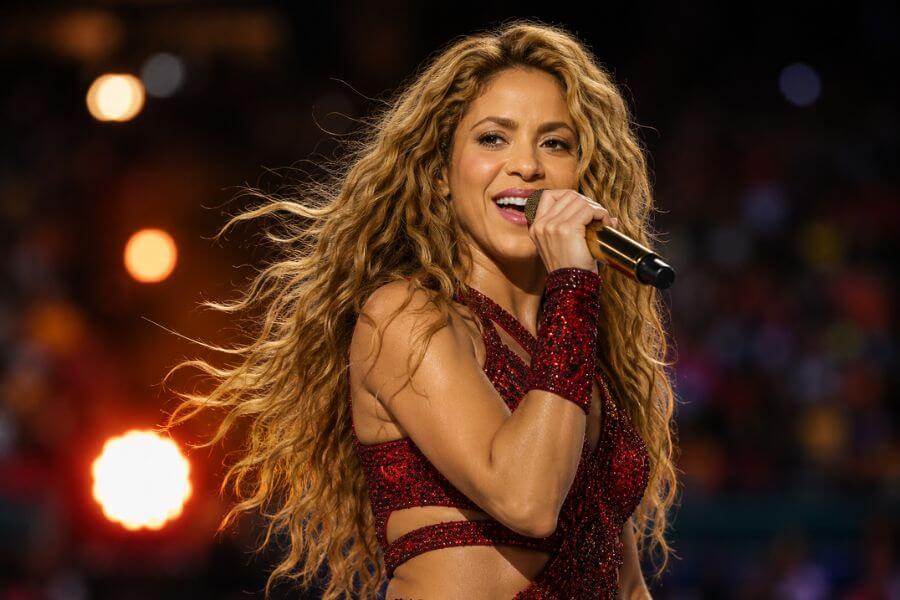
This year, that glue feels stronger than ever because a familiar voice has returned to lead the choir. Shakira has stepped back onto the grass to reclaim her crown as the undisputed queen of tournament music. Her new track brings a fresh burst of energy to a massive tournament hosted across Canada, Mexico, and the United States. For fans who grew up dancing to her beats, her return is more than just a musical performance. It is a full-circle moment that connects the history of the sport with its grand future.
To truly appreciate this comeback, you have to look at the path that brought us here. The story of tournament music is a tale of changing tastes, technological growth, and the steady shrinking of our global village. It is a journey that moves from traditional brass bands to global pop stars, changing how we experience the beautiful game.
The Return of the Queen
You remember where you were when you first heard the rhythmic chants of her past hits. Now, you are experiencing that same rush all over again. Shakira has made her grand return to the center circle of the soccer world, proving that her connection to the sport is permanent. Her presence at the opening celebrations in Mexico City showed the world that nobody commands a stadium quite like her.
Her new track, titled Dai Dai, is a collaboration with Nigerian Afrobeat star Burna Boy. By pairing her Colombian pop roots with his deep African rhythms, the song captures the true spirit of a modern global tournament. It does not just speak to one region. It speaks to the entire planet. The song was written to help the Global Citizen Education Fund, meaning every stream and stadium sing-along helps fund school opportunities for children who need them most.
| Tournament Anthem Details | |
| Song Title | Dai Dai |
| Lead Performers | Shakira and Burna Boy |
| Primary Live Debut | Mexico City Opening Ceremony |
| Main Charitable Cause | Global Citizen Education Fund |
| Future Planned Appearance | Final Match Halftime Show |
The song itself is a masterclass in building stadium energy. It starts with a simple, driving drum beat that forces your feet to move. Then, Shakira brings her signature vocal style, mixing Spanish and English phrases that are easy to repeat but impossible to forget. When Burna Boy joins with his smooth, rich verses, the track elevates into a true global anthem. It is designed for massive spaces where one hundred thousand people sing the same chorus at the top of their lungs.
This comeback is not a single performance. After lighting up the opening stage, Shakira is also set to co-headline the first-ever grand halftime show during the final match in July. Alongside other massive musical acts like Madonna and BTS, she is turning the final game into a global pop culture event. For you as a fan, watching her perform feels like watching a legendary player return to the field for one last historic championship run.
Tracking Shakira’s Historical Soccer Timeline
You cannot understand her current success without looking back at the incredible path she carved over the past two decades. Shakira did not just stumble into soccer culture. She built a home there, creating a legendary streak of hits that define multiple generations of fans.
The Year 2006: The Final Dance in Berlin
Your introduction to Shakira on the sports stage happened during the closing celebration in Germany. She took the field before the final match to perform a special version of her massive radio hit, Hips Don’t Lie. Styled as a soccer mix, the performance featured bright horns and fast rhythms that matched the tension of the final game between Italy and France. It showed soccer officials that pop music could turn a tense sports match into a joyful festival.
The Year 2010: The Global Standard Set in South Africa
This is the moment that changed everything for you and the rest of the world. Shakira dropped Waka Waka (This Time for Africa), a song based on a classic Cameroonian military chant. It became an instant wave that swept across the globe. The track combined local acoustic guitars with an unforgettable dance routine that players and fans performed in every stadium. It remains the best-selling tournament song of all time, setting a high standard that every future anthem tried to reach.
The Year 2014: The Celebration in Rio
Four years later, she did it again. While another song was chosen as the official anthem, it was Shakira’s track, La La La (Brazil 2014), that captured the hearts of the fans. She adjusted her sound to include the heavy drum corps beats of Brazilian samba, creating a fast-paced track that felt like a street party. Her performance at the closing ceremony cemented her status as an essential part of the soccer experience.
The Year 2024: The Mid-America Bridge
Before her massive return this year, she teased fans by bringing her sound to the Copa America final in the United States. Her track Punteria became the unofficial sound of that summer tournament, showing her ability to stay fresh and relevant. It served as the perfect warm-up for her official return to the biggest tournament of all.
The Birth of Tournament Anthems
You might think that tournament anthems have always been a part of the game, but the tradition had a very humble start. In the early days of global competitions, the music on the field was vastly different from the high-tech pop tracks you stream today.
In the nineteen thirties and nineteen fifties, the sounds of the tournament came directly from the stands or from local military bands. There were no official pop tracks or global marketing campaigns. Fans sang traditional folk songs or local football chants to back their teams. The music was local, organic, and tied tightly to the host country’s traditional instruments.
| Feature | Early Era (1930 to 1990) | Modern Era (1998 to 2026) |
| Main Instrument | Brass bands, solo horns | Synthesizers, cultural drums |
| Language Style | Single local language | Multi-language mix |
| Distribution | Radio, stadium speakers | Global streaming, video |
| Star Power | Local choirs, talk hosts | Global pop stars, crossover acts |
The concept of an official song started to take shape in the nineteen sixties. Organizers realized that a single theme song could help market the event to countries that were not yet crazy about soccer. These early attempts were simple. They usually featured a standard rock band or a jazzy orchestra playing a tune that sounded like a television theme show.
As you look back at those early decades, you see a slow realization growing among sports officials. They started to see that music could do something statistics and game tape could never do. It could make people fall in love with the event before a single ball was kicked.
The Evolution of the Soccer Soundtrack
You can trace the modern era of soccer music back to a single tournament in the late nineteen nineties. That was the moment when the traditional, slow-moving themes were tossed aside to make room for high-energy radio hits.
The Turning Point in France
In nineteen ninety-eight, Ricky Martin released The Cup of Life for the tournament in France. This was an explosion of Latin pop that changed the blueprint forever. The song used big brass hooks, a fast dance beat, and an easy-to-sing chorus consisting of simple numbers and cheers. It proved that an anthem could become a number-one hit on global music charts while acting as the soundtrack for the sports world.
The Electronic Shift in Asia
When the tournament traveled to South Korea and Japan in two thousand two, the sound shifted to match the high-tech surroundings. The anthems began to feature electronic music, synthesizers, and grand orchestral movements. Musicians mixed traditional Asian instruments with modern dance beats, creating a futuristic sound that pointed to a shrinking world.
The Rock and Pop Mix in Germany
By two thousand six, the tournament soundtrack split into different lanes to appeal to different types of fans. You had operatic pop groups singing grand, emotional ballads for the opening ceremonies, while pop-rock tracks played during television broadcasts. This was also the year Shakira made her first appearance, showing that a mix of dance rhythms and global appeal was the true future of tournament music.
Why Certain Songs Stick in Our Brains
You ever wonder why you can still sing the chorus of a song from fifteen years ago, even if you do not understand the words? There is a deep science behind why certain tournament anthems stay with us forever while others fade away before the final match is played.
First, a great anthem needs a strong rhythm that mimics the heartbeat of a running player or a jumping fan. Your body naturally responds to beats that fall within a specific tempo range. It makes you feel energized, alert, and ready to move. This is why artists like Shakira use heavy bass drums and hand percussion. They are tapping into your natural instinct to move your body when you feel excited.
- Rhythmic Simplicity: The underlying beat must be steady so a stadium of one hundred thousand people can clap in perfect time.
- The Chant Factor: A great chorus uses sounds rather than complex words, allowing fans from different countries to sing along without a translator.
- Emotional Rise: The song must build from a quiet verse to a massive, exploding chorus that matches the feeling of scoring a goal.
- Cultural Texture: Using local instruments gives the song an exotic flavor that makes the tournament feel like a true journey to a new land.
Another huge factor is repetition. During a month-long tournament, these songs play before every television broadcast, during every halftime break, and inside every fan zone around the world. You hear them when your team wins, and you hear them when your team loses. The music becomes tied to your personal emotions, locking those melodies into your brain for the rest of your life.
The Dark Sides and Missed Beats
You must remember that not every tournament song is a grand success. For every track that unites the world, there are several attempts that miss the mark completely, leaving fans feeling confused or cold.
Sometimes, organizers try too hard to create a corporate product that pleases everyone, resulting in a song that pleases no one. These tracks often sound like generic pop songs that have nothing to do with the sport of soccer or the culture of the host nation. When a song lacks an authentic soul, fans spot it immediately and refuse to sing along.
| Failure Type | Main Consequence |
| Over-Production | The song sounds robotic and loses its human energy. |
| Cultural Neglect | The track ignores local instruments and offends the hosts. |
| Too Much Language | Hard lyrics prevent foreign fans from joining the chant. |
| Low Energy Tempo | A slow song kills the excitement inside the stadium gates. |
There are also times when cultural friction causes issues. If an international pop star is chosen over a local artist from the host nation, it can cause anger among local fans. People want to see their own culture celebrated on the global stage, not pushed aside for a famous Hollywood name.
The best anthems find a careful balance. They bring in global production quality without losing the raw, honest flavor of the place where the games are being played. When a song misses that balance, it quickly becomes a footnote in sports history.
Behind the Scenes of Making a Global Hit
You might think a stadium song happens when an artist gets a sudden burst of inspiration in the studio. In reality, creating an official tournament anthem is a massive operation that involves music producers, sports officials, and corporate sponsors working together for months.
The process starts years before the first game kicks off. Sports governing bodies listen to pitches from major record labels, looking for a track that fits the specific identity of the upcoming tournament. The song needs to hit several targets. It must be clean enough for family television, exciting enough for players in the tunnel, and catchy enough to sell merchandise and drive streaming numbers.
Once a song is selected, the real work begins. Producers bring in musicians from different continents to add layers to the track. You might have a bassline recorded in London, drums tracked in Lagos, and vocals laid down in Miami. The goal is to build a musical puzzle where every region of the world can find a piece of themselves. It is a massive project that requires careful planning and a deep understanding of global musical trends.
How Streaming Transformed the Fan Experience
You do not listen to music the same way fans did twenty years ago, and that change has completely reshaped how tournament anthems find their audience. The rise of streaming platforms and social media changed everything.
In the past, you had to wait for the official television broadcast or buy a physical CD album to hear the tournament music. Today, a new anthem drops instantly onto every phone on the planet at the exact same second. This instant access means a song can build a massive global following weeks before the opening match even begins.
- Short video dance challenges create global trends in days.
- Fan-made remixes allow local sub-cultures to personalize the track.
- Instant playlist additions keep the song in your daily rotation.
- Live stream video views show real-time global engagement levels.
Social media platforms allow you to become a creator instead of just a listener. You can use the official track to score your own video highlights, create dance routines with your friends, or share your reactions to big goals. This ground-up energy turns the anthem into a living project that grows and changes throughout the tournament. The song belongs to the fans just as much as it belongs to the official organizers.
Looking Ahead to the Future of Stadium Soundtracks
You are witnessing a massive shift in how sports tournaments think about music. As tournaments grow larger, expanding to include more teams and multiple host nations, the soundtracks must expand too.
The future of tournament music will likely move away from the idea of a single official song. Instead, we are seeing the rise of full tournament albums that feature dozens of artists representing different cultures and musical styles. This allows every fan to find a track that speaks directly to their personal experience while maintaining a sense of shared community.
You will also see a deeper connection between music and live technology. Imagine walking into a stadium where your smart wristband flashes in perfect time with the rhythm of the official anthem, turning one hundred thousand fans into a giant, living light show. The music will become an interactive experience that blurs the line between sight and sound, making you feel more connected to the game than ever before.
Shakira’s incredible return reminds us that while players change, stadiums are rebuilt, and tournament formats expand, our need for a shared rhythm never goes away. As long as people gather to watch the beautiful game, there will always be a need for a song that can pull us all together, making the world feel a little smaller, a little closer, and a whole lot brighter.
Frequently Asked Questions
Why is Shakira considered so important to tournament music history?
Shakira changed how tournament music works by proving that global pop tracks could carry deep cultural meaning. Her hits combined radio-friendly hooks with traditional rhythms from Africa and South America. This mix created songs that appealed to both casual listeners and die-hard sports fans, setting a permanent standard for all future tournament music.
What makes her new song Dai Dai different from her past soccer tracks?
Her new track focuses heavily on a modern Afrobeat sound through her work with Burna Boy. While her past tracks relied on Latin pop or traditional stadium chants, this song blends two distinct regional styles to reflect a multi-nation tournament. It also has a direct charitable connection to support education around the world.
Who decides which artist gets to sing the official tournament anthem?
The official song is chosen through a partnership between the sports governing body and a major global record label. They look for artists who have massive international appeal and a sound that matches the cultural goals of the host nations. The process involves checking track energy, lyrical messages, and global marketing potential.
Why do some official songs fail to become popular with actual soccer fans?
Songs usually fail when they feel too corporate or generic. If a track sounds like it was made in a boardroom without any real connection to soccer culture or local instruments, fans ignore it. Fans crave authenticity and want songs that match the raw emotion and high energy of a live stadium match.
How do multi-nation tournaments change how anthems are written and produced?
When a tournament is hosted across multiple countries, a single local style is not enough. Producers have to build tracks that feel inclusive of all host nations while remaining accessible to global viewers. This leads to more collaborative tracks that feature artists from different backgrounds singing in multiple languages on the same track.