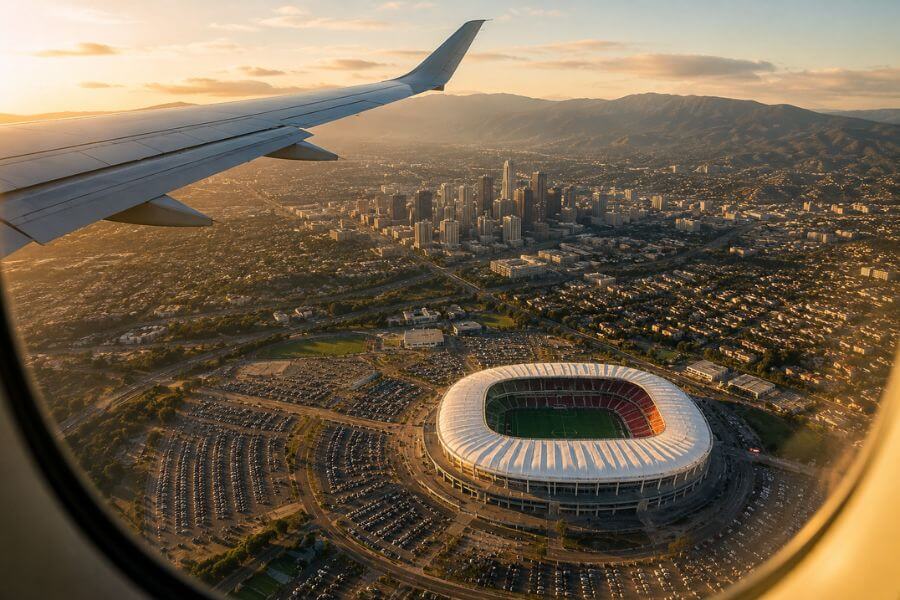
Are you ready for the ultimate soccer road trip? The upcoming Tri-Nation World Cup is going to be the biggest sports event in history. For the first time ever, three massive countries are teaming up to host the tournament. Fans from every corner of the planet will cross borders, fly over mountains, and ride high-speed trains to watch their favorite teams play.
This historic tournament brings an incredible challenge for anyone planning to attend. You are not just navigating one transit system or one set of local laws. You are dealing with three distinct nations, each with its own way of moving millions of people. Planning your trip around this massive tournament requires a deep understanding of how everything connects. This guide will show you exactly how to navigate the stadiums, airports, trains, and urban transit systems so you can focus entirely on the beautiful game.
Key Takeaways for the Ultimate Fan Journey
Before diving into the deep details of each country, here is a quick summary of the most important things you need to keep in mind while planning your tri-nation adventure.
- Book long-distance travel early: Planes and cross-border trains will fill up months before the opening whistle.
- Embrace local transit apps: Digital navigation tools are your best friend for finding game-day shuttles and subway routes.
- Understand the entry rules: Crossing borders during a mega-event requires specific sports visas or fan identification passes.
- Pack light for stadium days: Security at every venue will be incredibly strict, meaning large bags will slow you down.
- Keep your phone charged: Digital tickets and mobile wallets are standard across all three hosting nations.
The Great Transport Network Across Three Nations
Moving between three giant countries is no small feat. The sheer scale of the tournament means that you might watch a match in a humid coastal city one day and a high-altitude mountain town a few days later. To make this work, the host nations have upgraded their long-distance travel networks to handle unprecedented crowds.
Flying Between the Host Countries
Air travel is going to be the backbone of your journey if you plan to follow your team through the knockout stages. Major international hubs are preparing for millions of extra passengers. Airlines are adding special tournament routes that connect host cities directly, skipping the usual layovers in massive hub airports.
When you book your flights, look for special fan-charter options. Many regional airlines are partnering with soccer federations to offer direct flights timed perfectly with match schedules. This means you can land a few hours before kickoff and head straight to the venue. However, you must factor in airport security wait times, which will be much longer than usual during the tournament weeks.
Cross-Border Rail Options
For fans who want to see the changing landscapes between matches, rail travel offers a beautiful and relaxing option. High-speed rail lines connect major cities in the northern and central regions of the host countries. These trains are efficient, clean, and often drop you right in the center of town, saving you the hassle of a long taxi ride from a distant airport.
Special tournament passes will allow fans to book multiple train trips at a discounted rate. These rail passes often include free transfers to local subways on match days. If you choose to travel by train, make sure to reserve a seat as soon as your match tickets are confirmed. The demand for these scenic routes will be massive.
Driving and Road Conditions
If you prefer the freedom of the open road, renting a car gives you total control over your schedule. A massive highway network connects many of the host cities. Driving allows you to explore smaller towns, try local food spots, and tailgate with other fans along the way.
However, driving across international borders comes with specific challenges. You will need to ensure your rental car agreement allows border crossings and that you have the correct insurance for all three countries. Traffic near the stadiums will be heavy, so you should always plan to park at a suburban transit hub and take a shuttle to the gate.
Inter-City Travel Comparison
To help you decide how to move between the host cities, look at how the primary modes of transport match up against each other for a typical fan journey.
| Feature | Air Travel | Rail Travel | Highway Driving |
| Average Speed | Fastest over long distances | Moderate to fast | Slowest option |
| Border Crossing | Handled inside terminals | Handled at stations or on board | Handled at highway checkpoints |
| Luggage Space | Strict limits and fees | Generous overhead racks | Limited only by vehicle size |
| Booking Flexibility | Rigid flight times | Fixed schedules with changes | Total freedom of departure |
| Scenic Value | Mostly clouds | High view of landscapes | Up-close regional views |
Stadium Hubs and Mass Transit Links
The stadiums chosen for this world-class event are masterpieces of modern architecture. But a great stadium is useless if fans cannot get inside. Millions of dollars have been spent to connect these massive venues directly to urban transit lines.
Dedicated Stadium Shuttles
On match days, local transit authorities will launch massive fleets of park-and-ride shuttle buses. These buses run on dedicated lanes that are completely closed to regular traffic. This ensures that fans can get from downtown transport hubs to the stadium gates without getting stuck in gridlock.
Using these shuttles is usually free if you have a valid match ticket for that day. The pickup points are clearly marked with tournament signage, and volunteers will be stationed at every corner to point you in the correct direction. It is by far the most reliable way to reach the match on time.
Subway and Light-Rail Access
Many of the selected stadiums feature custom-built subway or light-rail stations right outside the main security plaza. This allows tens of thousands of fans to empty out of the stadium and board trains within minutes of the final whistle.
Local cities have upgraded their train frequencies for the tournament. During peak game hours, trains will arrive every two to three minutes. To keep things moving, transit stations near the venues will use open turnstiles, meaning you just tap your phone or fan pass to walk through without waiting in line to buy a paper ticket.
Rideshare and Taxi Drop Zones
If you prefer using a smartphone app to catch a ride, you will need to follow specific rules on game day. Local police will set up strict security perimeters around each stadium, blocking regular cars from getting within a mile of the gates.
Dedicated rideshare zones have been built just outside these security boundaries. These zones are well-lit, have clear lane markings, and often feature food trucks and restrooms for fans waiting for their drivers. Be prepared for high surge pricing and long wait times immediately following a match. Walking a short distance away from the stadium before calling a ride is often a smarter move.
Host Nation Alpha: Regional Transport Deep Dive
Host Nation Alpha is famous for its massive cities and highly advanced public transit networks. If your team draws a group stage in this region, you will experience some of the most efficient urban movement in the world.
Urban Subway Masterpieces
The metro networks in Host Nation Alpha are legendary. They are clean, safe, and incredibly vast. You can travel from one side of a major city to the other for just a few dollars. The signs are fully bilingual, making it simple for international travelers to find their way.
During the tournament, these subway systems will run twenty-four hours a day on match nights. This means you do not have to rush away from the post-match celebrations to catch the last train back to your hotel. The stations also feature excellent cell service and public wireless internet, allowing you to stream match highlights while you ride.
Regional Commuter Trains
To connect the main metro areas with outlying suburban stadiums, Host Nation Alpha relies on a network of double-decker commuter trains. These trains carry huge volumes of passengers and offer a comfortable ride with plenty of legroom and air conditioning.
These regional lines are perfect for fans who want to save money by staying in cheaper hotels outside the city center. The train schedules match up perfectly with stadium opening times, ensuring you never miss a kickoff. Many of these lines feature panoramic windows, giving you a beautiful view of the countryside as you travel to the match.
Smart Mobility and Biking
Host Nation Alpha has invested heavily in green transit options. Every host city in this country features an extensive network of protected bike lanes and thousands of shared electric scooters. You can unlock a bike using a simple mobile app and drop it off near the stadium entrance.
This option is perfect for sunny afternoon matches when you want to avoid crowded trains. The cities have built temporary, high-capacity bike parking lots outside the stadiums, complete with security guards to watch over your rented wheels while you enjoy the game.
Host Nation Beta: Regional Transport Deep Dive
Host Nation Beta offers a unique mix of vast highway networks and highly modern coastal transit hubs. This country is all about wide-open spaces and spectacular scenic routes between historic soccer venues.
The Highway Grid and Express Buses
In Host Nation Beta, the automobile is king, but the express bus network is a close second. The country features a massive web of multi-lane highways that connect every major city. For the tournament, premium long-distance bus liners are offering specialized fan coaches.
These fan buses feature plush leather seats, power outlets, and onboard restrooms. They are a fantastic option for budget-conscious fans who want to travel overnight between host cities, saving the cost of a hotel room. The routes are mapped out to avoid commuter traffic, making them highly reliable.
Coastal Ferries and Water Taxis
Several of the host cities in Host Nation Beta sit on stunning coastlines or major river networks. To take advantage of this geography, transit authorities have integrated water travel into the World Cup experience.
Fans can hop on high-speed passenger ferries to travel between different coastal fan zones and stadium docks. Traveling by water offers a breathtaking view of city skylines and lets you avoid city traffic completely. It turns a standard commute into a memorable part of your vacation.
Light-Rail Innovations
Host Nation Beta has recently expanded its urban light-rail systems, linking airports directly to downtown entertainment districts. These sleek, street-level trains run right through the heart of the restaurant and hotel zones.
The light-rail vehicles have low floors, making it simple to roll heavy luggage on and off. They are fully integrated with the local stadium transit loops, allowing for seamless transfers. Large video screens inside the train cars will broadcast live tournament updates and match statistics while you travel.
Host Nation Gamma: Regional Transport Deep Dive
Host Nation Gamma brings incredible energy, rich cultural history, and a rapidly modernized transit system to the tournament. This region is famous for its vibrant street life and passionate soccer culture.
Cable Cars and Elevated Rail
In some of the mountainous host cities of Host Nation Gamma, traditional buses and trains face steep challenges. To solve this, the country utilizes spectacular network systems of elevated cable cars and mountain-climbing rail lines.
These transit systems lift you high above the city traffic, offering unforgettable bird’s-eye views of the urban landscape below. They have been upgraded with high-capacity cabins to move thousands of fans up to hillside venues quickly. Riding these cable cars is an adventure in itself and a must-do experience for any visiting fan.
Traditional Transit and Mini-Buses
For a truly local experience, Host Nation Gamma features a vast network of neighborhood mini-buses. These colorful vehicles run on flexible routes and are an integral part of daily life in the host cities.
While they might seem intimidating to outsiders at first, local authorities have mapped these traditional routes for the tournament. Special digital guides will show you which mini-bus to flag down to reach your destination. It is an affordable and culturally immersive way to get around the city like a local.
Pedestrian Promenades
Host Nation Gamma has transformed the streets surrounding its stadiums into beautiful, pedestrian-only walkways. Car traffic is banned for blocks around the venues, creating a safe and festive carnival atmosphere.
These wide walkways are lined with local food stalls, live music stages, and merchandise booths. Walking to the stadium along these vibrant avenues allows you to soak up the local match-day culture and mingle with fans from all over the world. Make sure to wear comfortable walking shoes, as you will be covering plenty of ground on foot.
Border Crossings and Fan Credentials
Crossing international borders during a major sporting event can be stressful if you are not prepared. With three host countries, you will need to understand the unique entry requirements and digital tracking systems put in place to keep the tournament safe and smooth.
The Universal Fan Pass
To streamline travel between the three nations, the organizers have created a unified digital fan identification pass. This electronic document serves as your official tournament passport and is linked directly to your match tickets and government identification.
You will need to download the official tournament app and upload your passport details well before your trip. Once approved, this digital pass grants you expedited entry at border checkpoints and serves as your free ticket for most local public transit systems on match days. It is the single most important document for your trip.
Customs and Security Checks
Even with the universal fan pass, standard customs regulations still apply when moving between the host countries. Border agents will be on high alert for counterfeit merchandise, unauthorized commercial goods, and restricted items.
Be completely honest on your customs declaration forms, especially regarding food items and commercial goods. Keep your luggage organized so that security officers can inspect it quickly if you are selected for a random check. Give yourself an extra two to three hours of travel time on border-crossing days to account for potential lines at the checkpoints.
Currency and Digital Payments
The three host nations use different currencies, which can get confusing when you are jumping between cities. Fortunately, the tournament infrastructure is designed to be almost entirely cashless.
| Country | Primary Currency | Best Payment Method | Contactless Adoption |
| Host Nation Alpha | Alpha Dollar | Mobile Wallets / Smart Cards | Extremely High |
| Host Nation Beta | Beta Credit | Major Credit Cards / Tap to Pay | High |
| Host Nation Gamma | Gamma Peso | Cash for Small Stalls / Mobile Apps | Moderate |
While digital payments are accepted almost everywhere inside the stadiums and official fan zones, it is always a smart idea to carry a small amount of local physical currency for tipping taxi drivers or buying street food in smaller neighborhoods.
Accommodation and Transit Integration
Where you choose to stay will have a massive impact on your daily travel experience. Choosing lodging that connects easily to the transport infrastructure will save you hours of commuting time every single day.
Transit-Oriented Development Hotels
Many modern hotels in the host cities are built directly on top of major transit hubs. These properties are often referred to as transit-oriented developments. Staying at one of these hotels means you can take an elevator down to the station platform and be on your way to the match in minutes.
While these hotels can be more expensive due to their prime location, the amount of time and money you save on taxis and rideshares makes them worth every penny. They are also incredibly convenient when arriving late at night after an intense match.
Suburban Alternatives
If city center hotels are fully booked or outside your budget, look for accommodations along the outer commuter rail lines. Many suburban towns offer beautiful, affordable lodging options that are just a single train ride away from the stadium.
Staying in the suburbs also gives you a chance to experience the local culture away from the massive tourist crowds. You can enjoy quiet mornings in local cafes before heading into the bustling city for the afternoon matches. Just make sure to double-check the weekend train schedules, as some suburban lines run less frequently on Saturdays and Sundays.
Fan Village Camping
For the ultimate budget adventure, organizers are setting up massive fan villages on the outskirts of major host cities. These villages feature pre-erected tents, cabin rentals, communal dining halls, and giant screens for watching the matches.
These villages are connected to the stadiums via dedicated, around-the-clock shuttle buses. The atmosphere in these camps is incredibly festive, with fans from different nations sharing stories around campfires. It is an excellent option for solo travelers looking to make new friends along the journey.
Smart Apps and Digital Navigation
In the modern world, navigating a mega-event is done through the screen of your smartphone. Having the right digital tools downloaded and configured before you arrive will keep you ahead of the crowds.
The Official Tournament App
The official app provided by the soccer federation is your command center for the entire trip. It holds your digital match tickets, your universal fan pass, and real-time updates regarding stadium gate openings and security notices.
The app features a built-in transit planner that updates live based on crowd movements. If a particular subway station becomes dangerously overcrowded after a match, the app will automatically send a notification suggesting an alternative bus route or walking path. Make sure to enable push notifications for this app so you never miss a critical update.
Local Navigation Favorites
While global map apps work well under normal conditions, local navigation apps often have more accurate data during specialized events. Each host nation has a preferred local mapping tool that includes precise schedules for mini-buses, ferries, and neighborhood shuttles.
Download the popular transit apps for each specific country before you cross the border. These local apps often allow you to purchase regional transit tickets directly on your phone, saving you from having to figure out local ticket vending machines at the station.
Keeping Connected
To use these apps effectively, you need a reliable internet connection. Relying solely on public wireless internet is risky, as networks can easily become overloaded when eighty thousand fans try to log on at the exact same time inside a stadium.
Purchasing a regional electronic subscriber identity module, commonly known as an e-SIM, is the most efficient way to stay connected. You can buy these data plans online and activate them instantly on your phone. Look for multi-country data plans that cover all three host nations so you do not have to swap settings when crossing borders.
Accessible and Family-Friendly Transit
The Tri-Nation World Cup is an event for everyone. The host nations have made significant investments to ensure that older fans, families with young children, and travelers with physical disabilities can navigate the infrastructure with ease.
Universal Accessibility Features
Every newly built or renovated stadium features world-class accessibility infrastructure. This includes wide, step-free access ramps, massive elevators, and clearly marked seating zones for fans using wheelchairs.
The transit links connected to these venues match these high standards. Low-floor buses and trains allow for level boarding, and stations are equipped with tactile paving and audio announcements for visually impaired travelers. If you require specialized assistance, you can notify transit staff at any station, and a dedicated guide will help you navigate the crowds.
Traveling with Children
Navigating massive crowds with young kids can be daunting, but the tournament organizers have taken steps to make it manageable. Major transit hubs will feature dedicated family lanes at security checkpoints, allowing parents to take their time without feeling rushed by the crowd behind them.
Stroller parking zones are available outside all stadium gates, as large strollers are generally not allowed inside the seating bowls for safety reasons. Many transit vehicles will feature special family seating zones with extra space for diaper bags and toys to keep the little ones entertained during the journey.
Senior Fan Services
For older fans who might struggle with the long walking distances common at mega-stadiums, special mobility assistance services will be available. Electric golf carts will operate in the main parking lots and transit drop zones, shuttling seniors directly to the stadium elevators.
Local volunteer groups will be easily identifiable by their bright uniforms. These volunteers are trained to spot fans who might be struggling with the heat or the walking distances and can quickly provide water, directions, or medical assistance if needed.
Frequently Asked Questions About the Infrastructure
Can I use the same transit pass in all three countries?
No, you cannot use a single physical transit card across all three nations because each country manages its own independent transit fare system. However, your digital universal fan pass will grant you free access to specific match-day stadium shuttles and select urban rail lines in all host cities on the day of your match. For regular travel on non-match days, you will need to use local mobile payment apps or purchase regional transit cards for each country.
How early should I leave for the stadium on game day?
You should plan to leave for the stadium at least four hours before the scheduled kickoff. While the transit systems are highly efficient, the intense security screenings at the stadium gates can take a significant amount of time. Arriving early ensures you avoid the peak rush, gives you time to find your seats, and allows you to enjoy the pre-match fan activations and stadium food options without feeling stressed.
What happens if my flight between host countries is delayed?
If your flight is delayed, check your official tournament app immediately for alternative travel recommendations. Airlines operating tournament routes have dedicated customer service desks to help fans catch connecting flights or rebook onto special charter options. It is highly recommended to schedule your cross-border flights for the day before a match to create a safety buffer in case of unexpected travel disruptions.
Are the transit systems safe to use late at night after the matches?
Yes, the public transit systems in all host cities will feature significantly increased security visibility during the tournament. Local police, private stadium security, and helpful tournament volunteers will be stationed throughout the subway stops, bus terminals, and walking routes. Trains and buses will run with high frequency throughout the night to ensure that all fans can return to their accommodations safely and comfortably.
Can I bring my backpack on stadium shuttle buses?
Yes, you can bring standard backpacks on the transit shuttles and subways. However, you must keep in mind that the stadiums themselves have incredibly strict bag policies. Most venues will ban large backpacks and only allow small, clear bags inside the security gates. It is best to leave your large luggage at your hotel or use the secure bag storage lockers located at the major city transit hubs before heading to the match.