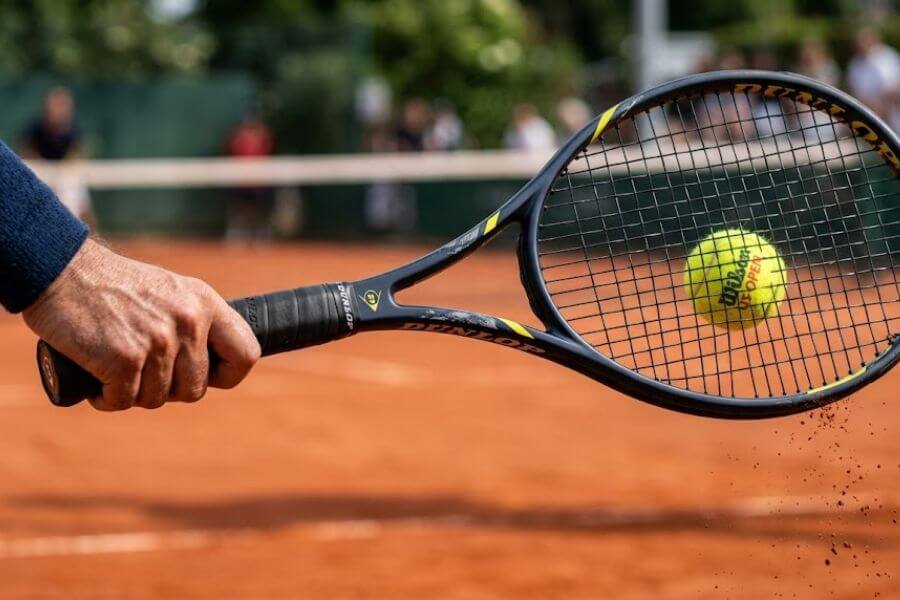
If you love the feeling of hitting a heavy, spinning ball that lands exactly where you aimed, you know how important a good control racquet is. Many players think they need to spend a small fortune on the newest flagship frames to get that professional-level precision. The truth is, there are several “underpriced” gems available this year—racquets that offer the same high-end feel and spin-friendly performance as the expensive models, but without the premium price tag. Whether you are a competitive club player or a dedicated enthusiast looking to upgrade your gear without breaking the bank, this list will help you find a frame that lets you swing freely and paint the lines.
Quick Summary Table
| Racquet Model | Best For | Key Strength |
| Dunlop CX 200 | All-Court Precision | Exceptional Feel |
| Tecnifibre T-Fight 305S | Arm Comfort | Spin-Friendly Stability |
| Yonex Percept 97 | Advanced Players | Pinpoint Accuracy |
| Wilson Blade 98 v10 | Modern Versatility | Balanced Response |
| Babolat Pure Strike 16×19 | Aggressive Baseline | Maximum Spin Access |
| Head Speed Pro | Competitive Play | Solid Plow-Through |
| Wilson Pro Staff 97 Classic | Traditional Feel | Pure Connection |
How We Ranked These
To find the best value, we looked past marketing hype and focused on the technical traits that actually matter on the court. We selected these racquets based on three primary factors:
- Spin Potential: We prioritized frames with open string patterns (like 16×19) and aerodynamic beam shapes that allow you to brush up on the ball effectively.
- Performance-to-Price Ratio: We looked for “hidden gems”—racquets that are either slightly older versions still in production, or newer models that offer premium materials at a lower entry cost than competitors.
- Stability and Control: Each racquet had to provide enough weight and beam stiffness to handle high-pace shots without twisting in your hand, ensuring you maintain confidence during long rallies.
1. Dunlop CX 200
The Dunlop CX 200 is perhaps the best-kept secret in the world of control racquets. It features a classic, thin beam that feels like an extension of your arm, making it perfect for players who prioritize touch and placement. Its 18×20 string pattern keeps the ball trajectory low and predictable, while the updated geometry provides just enough pop to keep you from feeling underpowered. Because it often flies under the radar compared to bigger brands, you can frequently find this frame at a significantly lower price than its peers, making it a dream for budget-conscious players who want elite performance.
2. Tecnifibre T-Fight 305S
If your main concern is protecting your arm while still chasing heavy spin, the Tecnifibre T-Fight 305S is your best bet. This racquet uses a special foam-filled construction that makes impact feel incredibly soft and muted, which is rare for a frame this precise. It is a fantastic tool for generating head speed, which is key for spin, yet it remains stable enough to counter big hitters. It feels modern, responsive, and incredibly “pro-stock,” yet it consistently sits at a price point that makes you wonder why everyone isn’t playing with it.
3. Yonex Percept 97
The Yonex Percept 97 is designed for the player who demands absolute perfection in their shot placement. With its signature isometric head shape, it offers a larger sweet spot than you would expect from a 97-square-inch frame. This allows you to swing with confidence, knowing the racquet will reward your clean technique with laser-like accuracy. It is a sophisticated, traditional-feeling frame that feels like a precision instrument. While it is a high-performance tool, it is often available at a better value than rival frames in the same class.
4. Wilson Blade 98 v10
The Wilson Blade series is legendary for a reason, and the v10 version is a masterclass in modern control. By moving away from a strictly constant beam, Wilson gave this iteration a slightly more forgiving nature that helps on defensive shots while still retaining the “connected” feel that Blade users crave. It is incredibly versatile, meaning it performs just as well at the net as it does from the back of the court. Since newer versions are constantly released, you can often find the v10 at a reduced price, offering you top-tier technology without the “new release” premium.
5. Babolat Pure Strike 16×19
If your game revolves around aggressive, heavy topspin, the Babolat Pure Strike 16×19 is arguably the most dangerous weapon on this list. It is designed for players who want to dictate the point, using a blend of power and spin to push their opponents off the court. The 16×19 pattern is specifically tuned to bite into the ball, giving you that extra bit of “loop” that dips shots safely inside the baseline. It is a sharp, crisp-feeling racquet that rewards full, fast swings and provides a very noticeable spin boost compared to traditional dense-patterned frames.
6. Head Speed Pro
The Head Speed Pro is the choice for the player who wants a bit more weight and stability to handle high-velocity exchanges. It is famous for its “plow-through,” which means the racquet doesn’t get pushed around when you’re returning a massive serve or a heavy groundstroke. With its 18×20 pattern, it is incredibly reliable; you always know exactly what the ball is going to do when it leaves the strings. It is a workhorse racquet that has proven itself at all levels of the game, and its consistent pricing makes it a reliable value for the serious competitor.
7. Wilson Pro Staff 97 Classic
The Pro Staff 97 Classic is for the traditionalist who wants the weight, feel, and heritage of a legendary frame. It offers a very “plush” sensation at impact, which is great for players who like to feel every connection with the ball. While it requires a bit more physical strength and disciplined technique to handle, the reward is unmatched control and a “natural” feel that many modern, stiffer racquets lack. Because it is a timeless design, it often avoids the rapid depreciation of other models, making it a stable and rewarding investment for your tennis bag.
Conclusion
Finding the right control-oriented spin racquet doesn’t have to mean spending top dollar on the latest flagship release. By focusing on specs like head size, string pattern, and overall stability, you can identify frames that offer professional-level performance at a fraction of the cost. Whether you prefer the plush feel of a classic frame or the aggressive spin potential of a modern one, the seven racquets listed above are excellent choices that will help you improve your consistency, add spin to your arsenal, and ultimately win more points. Don’t be afraid to experiment with different tensions or string types to make these frames truly your own.
Frequently Asked Questions
Will a smaller head size make it harder for me to hit the ball?
Yes, a smaller head size (like 97 or 98 square inches) has a smaller sweet spot, which means you need more consistent contact. However, it also gives you much better feedback and precision, which helps you develop better stroke mechanics over time.
Why do control racquets often use 18×20 string patterns?
A denser string pattern like 18×20 means there are more strings closer together. This limits the “trampoline effect” of the string bed, giving you more predictability and control over your shots, which is ideal for players who already generate their own power.
Are these racquets suitable for beginners?
Most of these racquets are designed for intermediate to advanced players who have developed full, fast, and consistent swings. Beginners usually benefit more from lighter, larger-headed racquets that provide more “free” power and forgiveness.
Should I choose a heavier or lighter frame?
A heavier frame generally provides more stability and “plow-through,” making it better for dealing with hard-hit balls. A lighter frame is easier to maneuver and whip through the air, which can help you generate more spin if you have a fast swing speed.
How often should I re-string these control racquets?
This depends on how often you play, but for players who rely on spin and control, you should consider re-stringing once the strings lose their “snap-back” or feel dead. Usually, playing with fresh strings every 20–40 hours of play helps maintain that precise performance.