Key Takeaway
The 2026 global soccer tournament has completely changed the blueprint of sports marketing. By turning a three-minute player safety window into a premium advertising asset, media networks and brands have unlocked billions of dollars in fresh revenue. This shift proves that the traditional, uninterrupted flow of soccer is evolving to mimic the heavily monetized structure of American sports, creating a highly focused audience that brands are willing to buy at a massive premium.
A New Commercial Era Born From the Summer Heat
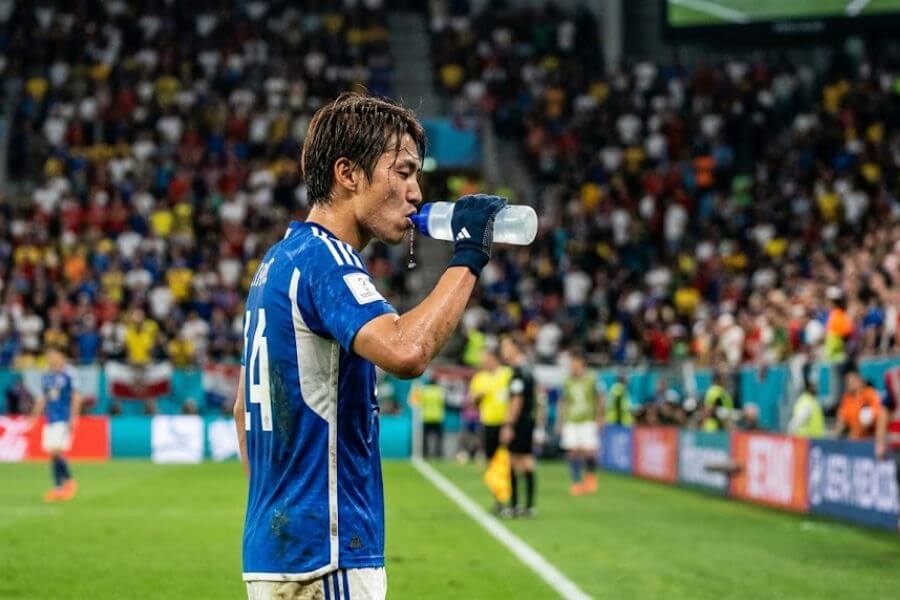
You sit on your couch, eyes glued to the screen as the tension builds in the twenty-first minute of a crucial match. Suddenly, the referee blows the whistle. The players head to the sidelines, but instead of the usual distant camera angle showing players drinking water, your screen splits. A bright, high-definition commercial fills the space. Welcome to the billion-dollar hydration break, the biggest marketing development in modern sports history.
What started as a measure to protect athletes from intense summer temperatures across North America has quickly become a financial goldmine. Football has always been a tough challenge for television networks. Unlike American football or basketball, which are filled with timeouts and natural commercial pauses, soccer offers just one major break at halftime. For decades, brands had to fight for a sliver of attention during those fifteen minutes, or settle for small logos on the side of the pitch. The 2026 tournament changed everything by breaking the sacred ninety minutes of continuous play.
By introducing a mandatory three-minute stop near the twenty-second minute and sixty-seventh minute of every single match, organizers created an entirely new type of media space. This did not just happen in cities experiencing extreme heat. To keep things fair for every team, the rules stated that these pauses would happen in every match, even inside air-conditioned stadiums or under closed roofs. For marketing experts, this predictability was a dream come true. They knew exactly when the action would stop, allowing them to plan high-impact messages when audience engagement was at its absolute peak.
The Economics of Stopping the Clock
To understand how this became a multi-billion-dollar phenomenon, you have to look at the sheer amount of time that was suddenly up for sale. In previous tournaments, a single match offered one large block of advertising time at halftime. The new rules added two extra blocks per game. Across a massive tournament that expanded to forty-eight teams and over one hundred matches, those extra minutes added up fast.
Broadcasters were given specific rules on how to handle these moments. Television networks could not show ads during the first twenty seconds of the break, and they had to return to the live field thirty seconds before play started again. This left a highly valuable window of two minutes and ten seconds per break. When you multiply that by two breaks per game across the entire schedule, the tournament created over seven hours of completely new prime-time advertising space that never existed before.
The financial return on this new time has been staggering. Because these pauses happen right in the middle of the live action, viewers do not walk away from the screen the way they do during halftime. You stay in your seat because you want to see if a coach will change strategy, or how an injured player is recovering. This constant attention allows networks to charge massive rates for short commercials. In major markets, a single thirty-second slot during these mid-half breaks has commanded millions of dollars, pushing total tournament ad revenues to historic heights.
Match Advertising Inventory Comparison
| Advertising Feature | Traditional Tournament Structure | 2026 Tournament Structure |
| Major Mid-Game Pauses | One (Halftime only) | Three (Two hydration breaks plus halftime) |
| Commercial Windows | Single fifteen-minute block | Multiple blocks spread across ninety minutes |
| Viewer Attention Level | Moderate (Fans often leave the room) | Extremely High (Fans wait for immediate restart) |
| New Airtime Created | Zero minutes | Over four minutes of premium slots per match |
| Brand Exposure Style | Passive background logos | Active full-screen storytelling |
How Brands Captured Your Attention
Advertisers did not just run standard commercials during these short pauses. They realized that a mid-game break required a completely different creative approach. When you are deeply invested in a match, a generic car commercial can feel jarring and annoying. The brands that won big in 2026 were the ones that tailored their messages to fit the exact mood of the game.
Many top sponsors used a split-screen format. On one side, you could see the live feeds of coaches frantically drawing tactics on whiteboards or players dumping ice water over their heads. On the other side, a fast-paced, high-energy brand message played out. This kept you connected to the match while ensuring the sponsor had your full attention. It removed the passive nature of traditional stadium signage, turning the ad into a part of the match-day experience.
Other companies went a step further by buying the naming rights to the breaks themselves. Instead of a simple pause in play, commentators announced the start of a branded cooling segment. Beverage companies, tech giants, and athletic brands paid massive sums to ensure their names were spoken by announcers the moment the whistle blew. This clever integration made the brand feel like a helpful savior providing relief to tired players, rather than an unwanted interruption to the sport.
A Tale of Two Broadcast Philosophies
The way these breaks were treated around the world created a fascinating divide in sports media. Different countries handled the new commercial time in ways that reflected their local television cultures. This split showed how far some networks were willing to go to monetize the tournament, while others prioritized a more traditional viewing experience.
In the United States, major English-language networks embraced the American-style sports model. They viewed the three-minute windows as the perfect opportunity to run full-screen commercials, maximizing their financial return. While this upset some traditional soccer fans who felt the game was being ruined by commercialism, the financial numbers justified the choice. Advertisers lined up to buy these spots, treating them with the same importance as American football championship ads.
On the other side of the coin, several international broadcasters took a much more cautious path. Some Spanish-language networks in North America chose not to cut away to full-screen commercials at all. Instead, they kept their cameras focused on the pitch, using the time to analyze player fatigue, discuss tactics, and feature subtle on-screen graphics. This approach protected the traditional rhythm of the sport while still giving sponsors a way to display their logos to a captive audience.
Broadcast Strategy Breakdown
Full-Screen Commercial Model
- Primary Users: Major United States media networks.
- Execution: Cutting completely away from the field twenty seconds after the whistle blows.
- Financial Impact: Maximum ad revenue per second with premium pricing for short slots.
- Fan Reaction: High levels of criticism from traditional soccer purists.
Live-Field Integration Model
- Primary Users: Select international and Spanish-language broadcasters.
- Execution: Keeping cameras on the players while using side-by-side screens or small graphics.
- Financial Impact: Steady revenue through premium partnerships without stopping the match commentary.
- Fan Reaction: Highly praised by supporters who want to stay immersed in the stadium atmosphere.
The Stadium Experience Transformed
The impact of the hydration break was not just felt by people watching at home. Inside the massive stadiums across Canada, Mexico, and the United States, these three-minute pauses completely transformed how fans behaved in the stands. The moment the referee signaled for a break, a wave of activity hit the stadium concourses.
In previous tournaments, stadium concession stands experienced a single, massive rush at halftime. The lines were often so long that many fans gave up, choosing to stay in their seats instead of waiting for food or drinks. The introduction of predictable mid-half breaks solved this issue by creating multiple mini-halftimes. Fans quickly realized they had a short window to sprint to the nearest counter and grab a cold drink.
This behavior turned the tournament into an incredibly profitable event for stadium operators. Concession stands saw record-breaking sales as fans made quick beer and water runs during the twenty-second minute. Instead of buying food just once during the match, spectators were buying items multiple times. This sudden burst of physical consumption perfectly matched the digital monetization happening on television screens, making the entire tournament ecosystem vastly more profitable.
The Great Debate: Player Welfare vs. Commercial Gain
As the money rolled in, so did the controversy. The introduction of mandatory stops has triggered a fierce debate among players, coaches, managers, and fans. While tournament organizers firmly state that the choice was made entirely for athlete safety, many people in the soccer world remain deeply skeptical.
High-profile managers have been vocal in their criticism. They argue that these breaks destroy the natural rhythm and tactical flow of a soccer match. Soccer has always been a game of endurance, where one team tries to tire out another over forty-five continuous minutes. By stopping the game midway through each half, defending teams get a chance to catch their breath and reset their defensive shapes. Critics argue that this rewards less-fit teams and punishes sides that rely on high-energy, continuous pressing styles.
However, the perspective from the medical and playing staff is quite different. The summer heat in North American host cities can be brutal, with temperatures often soaring past ninety degrees. For players running several miles per match, a three-minute window to lower their body temperature and consume electrolytes is vital. Supporters of the rule argue that the high intensity of the matches throughout the entire ninety minutes is proof that the breaks are working, keeping the quality of play high even in difficult weather conditions.
Looking Ahead to the Future of Sports Media
The massive financial success of the 2026 tournament means these breaks are likely here to stay. Media executives have now seen proof that soccer fans will stay tuned in during short, mid-game pauses. This realization will undoubtedly change how future broadcast rights are sold and how global sporting events are designed.
We are already seeing signs that other soccer leagues are looking at this model with interest. If domestic leagues can show corporate partners that they can offer dedicated, high-attention commercial windows during live matches, the value of soccer television contracts could skyrocket. This could lead to a permanent shift in how the sport is broadcasted globally, bringing it closer to the commercial structures seen in baseball or basketball.
For you as a fan, this means the way you watch sports will continue to evolve. The challenge for future organizers will be finding the perfect balance between keeping players safe, making money, and honoring the traditions of the game. The billion-dollar hydration break has shown that change can be incredibly profitable, and there is no turning back now.
Frequently Asked Questions
Why were hydration breaks made mandatory for every match in the 2026 tournament?
Organizers made these pauses mandatory to ensure absolute fairness and consistency across the entire competition. If breaks were only called during hot days, coaches would have an extra tactical window in some matches but not in others. By making the three-minute stop a fixed rule for every game, regardless of the venue temperature or whether the stadium had a roof, every team operated under the exact same structural conditions.
How much money did broadcasters make from these new advertising slots?
While exact figures vary by country and media market, industry experts estimate that the new time windows generated hundreds of millions of dollars in additional revenue per major broadcaster. With over one hundred matches played in the expanded format, the extra four minutes of airtime per game created a massive amount of premium inventory. This allowed networks to quickly recover the massive fees they paid to secure the broadcast rights.
Did the commercial breaks during the tournament cause any broadcasting errors?
Yes, the system did experience some early growing pains. During the opening match of the tournament, a major United States broadcaster ran its full-screen commercials slightly too long. The network returned to the live match ten seconds after play had already resumed, causing fans to miss a portion of the action. The network explained that the referee called the break earlier than expected, leading to a timing mismatch that was quickly corrected for future games.
How did the mid-half pauses affect the tactics used by coaches?
The breaks essentially turned soccer into a sport with four quarters rather than two halves. Coaches used the three-minute windows as mini-timeouts, pulling their players to the sideline to hand out tactical notes, adjust formations, and correct mistakes. This shifted the balance of power during matches, as managers no longer had to wait until halftime to make major adjustments to their team strategy.
What rules did broadcasters have to follow when showing ads during the breaks?
To protect the viewer experience and ensure fans did not miss live gameplay, strict limits were put in place. Networks were forbidden from showing commercials during the first twenty seconds after the whistle blew, allowing viewers to see the initial reactions on the field. Furthermore, broadcasts were required to return to live coverage at least thirty seconds before the referee restarted the match, ensuring a smooth transition back to the action.