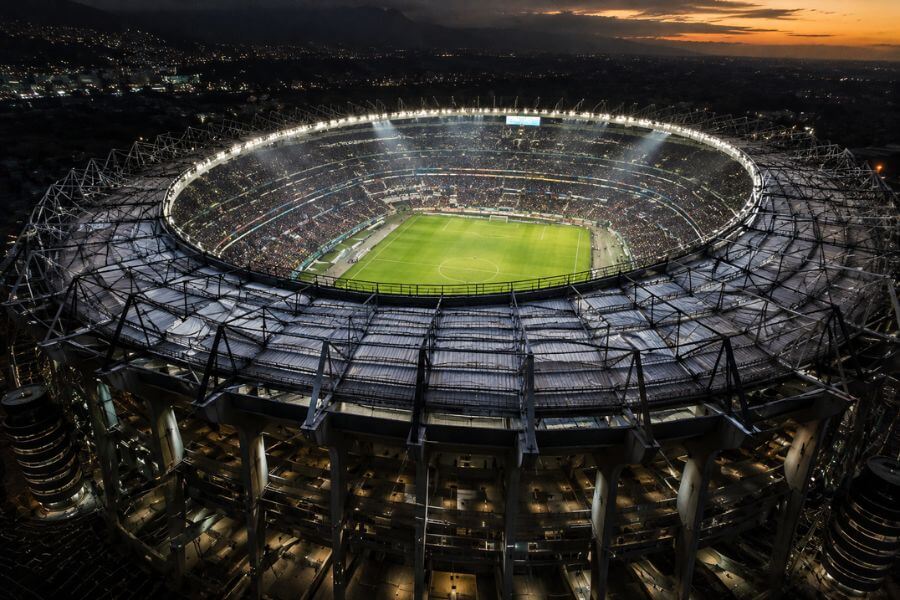
Key Takeaways of a Historic Night
The opening match of the 2026 World Cup did not just kick off a tournament. It rewrote the history books of global sports. By hosting this single match, Estadio Azteca achieved a feat that no other stadium on earth can claim. You can feel the weight of this milestone because it cements Mexico City as the ultimate capital of football romance.
The night was a perfect mix of old-school passion and modern sports theater. From the loud cheers of over eighty thousand fans to the fast paced action on the pitch, the stadium proved that it is still the true soul of the beautiful game. This match showed the world that while new stadiums can buy luxury, they cannot buy history.
Here is a quick look at why this specific night will never be forgotten:
- The Triple Crown: Estadio Azteca became the first venue ever to host three separate World Cup opening matches.
- A Modern Makeover: A massive renovation preserved the famous acoustic roar while upgrading the fan experience for a new era.
- Cultural Pride: The opening ceremony blended ancient Mexican traditions with digital light shows, setting a new standard for sports entertainment.
- On-Field Drama: The game itself lived up to the hype, featuring high energy tactical battles that kept fans on the edge of their seats.
The Day the World Looked at Mexico City Again
You could feel the electricity in the air hours before the gates even opened. The streets of Santa Ursula were a sea of green, white, and red. Street vendors sold spicy snacks and colorful scarves while horns echoed off the concrete walls of the massive stadium. For months, people talked about the stadiums in New York or Los Angeles, but everyone knew that the real heart of the tournament belonged right here.
When you walked through the outer gates, you were walking the same paths that football royalty walked decades ago. The air felt thick with anticipation. This was not just another game on a television screen. This was a living, breathing moment where the past and the future collided. Fans from every corner of the planet stood side by side, sharing smiles and singing songs in a dozen different languages.
Inside the bowl, the view was breathtaking. The steep grandstands seemed to climb all the way into the afternoon sky. The sun cast a golden glow over the fresh green grass, making the entire pitch look like a stage waiting for its actors. You were not just a spectator in the stands; you were a witness to a sports miracle that took years of planning and decades of tradition to create.
Understanding the Historic Milestone
To truly appreciate what happened during the 2026 opening match, you have to look at the numbers that set Estadio Azteca apart from every other stadium. No other venue has ever been trusted to open the biggest tournament in the world three times. This achievement puts the stadium in a category of its own, far above the shiny new arenas built in recent years.
The Legacy of 1970 and 1986
In 1970, this very ground saw Pele lift the trophy and showcase the beautiful game at its absolute best. It was the tournament that introduced yellow cards and global color television broadcasts to the world. Then, in 1986, Diego Maradona used his genius to score the most talked-about goals in history on this exact turf.
When you look at the grass today, you are looking at the same spot where those legends became immortal. The 2026 opening match added a third chapter to this incredible book. It proved that Mexico City is not just a host city, but the ultimate guardian of football tradition.
A Unique Hosting Record
The table below highlights how Estadio Azteca stands completely alone when compared to the most famous stadiums across the globe.
| Stadium Name | Location | World Cups Hosted | Opening Matches Hosted | Years of Opening Matches |
| Estadio Azteca | Mexico City, Mexico | 3 | 3 | 1970, 1986, 2026 |
| Maracana | Rio de Janeiro, Brazil | 2 | 1 | 1950 |
| Wembley Stadium | London, England | 1 | 1 | 1966 |
| Soccer City | Johannesburg, South Africa | 1 | 1 | 2010 |
| Allianz Arena | Munich, Germany | 1 | 1 | 2006 |
As the data shows, even the most legendary venues in Europe and South America have only hosted a fraction of what Azteca has achieved. This clear gap shows why the world football community keeps coming back to this magical place.
Transforming an Icon for the Modern Era
You might wonder how a stadium built in the nineteen sixties could handle the massive demands of a modern world tournament. The answer lies in a brilliant multi-year renovation project that blended structural upgrades with a deep respect for historical architecture. The goals were clear: improve comfort, boost technology, but never destroy the soul of the stadium.
Preserving the Famous Concrete Roar
The architects knew they could not change the shape of the massive upper decks. The steep design of the stands is what traps the sound inside the bowl, creating a wall of noise that terrifies opposing teams. During the renovation, workers reinforced the old concrete pillars and updated the seating, but they left the famous angle of the stands exactly as it was.
When the crowd cheered during the opening match, that familiar, thunderous echo returned with full force. It proved that you can modernize a building without losing the magic that made it famous in the first place.
High-Tech Upgrades for the New Generation
While the bones of the stadium remained classic, the technology received a massive boost. Brand-new LED lighting systems were installed around the rim of the roof, allowing the stadium to change colors instantly during the pre-game show. Massive high-definition screens replaced the old scoreboards, giving every fan a crystal-clear view of video replays.
- Upgraded Connectivity: New high-speed wireless networks allowed eighty thousand fans to share videos and photos at the exact same time.
- Eco-Friendly Design: Solar panels and rainwater collection systems were integrated to reduce the stadium’s environmental impact.
- Premium Hospitality: The luxury suites were completely rebuilt to offer world-class comfort for international guests and media.
- Improved Access: New walkways and entry gates cut down waiting times outside, making it smoother for families to enter the venue.
The Opening Ceremony as a Cultural Bridge
Before the players ever touched the ball, the stadium turned into a giant canvas of light, color, and sound. The opening ceremony of the 2026 tournament was designed to show how sport can bring different cultures together. It was a beautiful tribute to the rich history of Mexico, mixed with a welcoming message to the millions of fans watching from home.
A Tribute to Ancient Roots
The show began with hundreds of dancers moving in perfect unison across the pitch. Their costumes paid tribute to the ancient civilizations that built the foundations of Mexico. The deep, rhythmic sound of traditional drums echoed through the concrete grandstands, making the ground vibrate beneath your feet.
It was a powerful reminder that this stadium sits on land with thousands of years of human history. The performance did not feel like a standard pop concert. It felt like an authentic celebration of identity and community pride.
Merging Three Nations into One Rhythm
Since the 2026 tournament is shared by three North American neighbors, the ceremony made sure to celebrate this historic partnership. The music transitioned from traditional Mexican folk songs to modern rhythms from across Canada and the United States. Giant flags danced across the field, weaving together to create a giant tapestry of unity.
The crowd loved every second of it. The roar of approval when the three host nations were introduced together showed that sports can transcend borders and build real friendship between neighboring countries.
The Anatomy of the Match Itself
When the referee finally blew the whistle to start the match, the cultural celebration shifted into pure, high-stakes athletic drama. The opening match of a World Cup is notoriously difficult for the players. The pressure is immense, the eyes of the entire world are watching, and nobody wants to make a mistake that could ruin their tournament goals on day one.
First-Half Caution Meets High-Altitude Strategy
The early minutes of the game were a chess match played at seventy two hundred feet above sea level. The thin air of Mexico City always plays a massive role in how matches unfold. Teams cannot simply sprint for ninety minutes without running out of gas.
You could see the players adjusting their pace, focusing on short, crisp passes rather than long runs down the wings. The tactical discipline on display was impressive, as both sides looked for small gaps in the opposing defense while keeping their own lines tightly locked.
The Tactical Battle in the Midfield
As the match progressed, the center of the pitch became a battleground of strength and quick thinking. One team relied on a fast, counter-attacking style, while their opponents preferred to control the tempo with patient possession.
The contrast in styles made for a fascinating watch. Every time a midfielder tried to turn with the ball, two defenders would instantly close in, forcing a quick decision. It was a masterclass in modern football tactics, where physical fitness and mental sharpness are equally important.
How the Unique Pitch Environment Shaped the Game
The pitch at Estadio Azteca is legendary for a reason, and it played a major role in how the opening match was played. From the type of grass beneath the players’ boots to the unique weather conditions of a Mexico City afternoon, every element influenced the final result.
The Grass and the Ball Speed
During the recent renovations, the stadium management installed a state-of-the-art hybrid grass system. This system combines natural turf with synthetic fibers to create a surface that remains perfectly flat and durable, even under heavy rain.
During the opening match, the ball zipped across the surface with incredible speed. This fast surface favored players with sharp technical skills, allowing for rapid passing combinations that kept the defenders guessing.
The Challenge of the Altitude and Heat
Playing a high-intensity match at high altitude is a physical challenge unlike any other in professional sports. The air is thinner, meaning the ball flies faster and further through the air than it does at sea level.
Players must calculate their passes differently, and goalkeepers have to be incredibly careful when judging long-range shots. The table below outlines how the environment at Estadio Azteca compares to standard modern sports venues.
| Environmental Factor | Estadio Azteca | Standard Modern Stadium | Impact on the Match |
| Elevation Above Sea Level | 7,200 feet | Less than 500 feet | Increases player fatigue and accelerates ball travel |
| Average Match Temperature | 78 degrees | 68 degrees | Demands careful hydration and physical pacing |
| Pitch Composition | Hybrid Natural-Synthetic | Pure Natural or Pure Synthetic | Provides a highly consistent, fast ball bounce |
| Acoustic Resonance | High Sealed Bowl | Open Low Profile | Amplifies crowd noise to disrupt team communication |
You could see the visible fatigue on the faces of the players as the match entered the final thirty minutes. The teams that substituted wisely and kept control of the ball were the ones who managed to survive the harsh environmental demands of this historic venue.
The Fan Experience Inside the New Azteca
If you were lucky enough to hold a ticket for this historic match, your experience started long before the players walked out of the tunnel. The renovation team focused heavily on making sure ordinary fans felt valued and comfortable. They proved that a historic stadium does not have to feel outdated or inconvenient.
A Journey Through Enhanced Concourses
The old, narrow corridors of the stadium were replaced with wide, bright concourses that allowed people to move around without feeling crushed. Local artists painted beautiful murals on the walls, telling the story of the stadium’s greatest moments.
Food stands offered a brilliant mix of traditional Mexican street food and standard international stadium snacks. You could grab a plate of fresh tacos and a cold drink without missing a single minute of the action, thanks to the hundreds of video monitors placed throughout the walkways.
The View from the Highest Seats
Even if you were sitting in the very last row of the upper deck, the experience was magical. The steep design means that you are looking down at the pitch from a dramatic angle, giving you a perfect view of the tactical formations.
You can see the entire field develop like a giant living chessboard. The energy in the upper sections was infectious, with fans chanting, waving flags, and creating a continuous wave of sound that rolled down toward the field.
The Global Media Spectacle
The 2026 opening match was not just experienced by the people inside the stadium. It was a massive global media event that required an unprecedented amount of technical infrastructure. Hundreds of television networks, radio stations, and digital journalists descended on Mexico City to broadcast this historic moment to billions of homes around the planet.
A New Media Center for the Digital Age
To accommodate the massive influx of international press, a brand-new media center was built directly adjacent to the stadium. This facility featured top-tier editing bays, high-speed fiber-optic data lines, and interview rooms equipped with instant translation technology. Journalists from Asia, Europe, Africa, and the Americas worked side by side, sending updates to their home countries in real time.
Capturing the Action with Advanced Cameras
The broadcast of the match used the most advanced camera technology ever deployed for a sports event. Spider-style cameras flew above the pitch on thin cables, providing dramatic top-down views of the action.
Super-slow-motion cameras positioned around the goalposts captured every muscle movement and drop of sweat on the players’ faces. This high-tech coverage allowed viewers at home to feel like they were standing right on the touchline, experiencing the intense speed of the game.
The Economic and Social Impact on Mexico City
Hosting the opening match of the World Cup is a massive financial and social responsibility. For Mexico City, the benefits of this historic night extend far beyond the ninety minutes of football. The event gave a huge boost to the local economy and brought a deep sense of shared pride to the community.
A Boom for Local Tourism and Businesses
Months before the match, hotels across Mexico City were completely booked. Restaurants, transport drivers, and local markets saw a massive increase in customers as international fans spent money across the city. This economic boost helped create thousands of temporary jobs and provided local businesses with a wonderful opportunity to showcase Mexican hospitality to the world.
- Hospitality Growth: Small, family-owned restaurants near the stadium reported record-breaking sales during the tournament week.
- Transport Efficiency: The city updated its public transit lines leading to the stadium, leaving a permanent benefit for daily commuters.
- Cultural Exchange: Neighborhoods outside the tourist zones organized community viewings, bringing locals and visitors together.
- Global Promotion: The beautiful aerial shots of Mexico City broadcast during the game served as a giant advertisement for future tourism.
Inspiring the Next Generation of Athletes
You cannot underestimate the social value of young boys and girls seeing their heroes play on the biggest stage in their hometown. The buzz surrounding the match has inspired a massive wave of interest in youth sports across the country. Local parks are packed with children copying the moves they saw during the opening match, creating a healthy legacy that will last for decades.
Comparing the Three Historic Opening Matches
To understand how football and society have changed, it is useful to compare the three opening matches hosted by Estadio Azteca. Each match reflects a different era of sports history, from the simple, pure focus of 1970 to the massive, high-tech entertainment product of 2026.
The Progression of Scale and Technology
In 1970, the match was a straightforward sporting event with minimal pre-game entertainment. By 1986, the commercial era of sports was in full swing, featuring more corporate sponsors and larger television audiences.
The 2026 match represented a complete digital transformation, where the stadium became an interactive environment for both live fans and online audiences. The comparison table below shows how these three historic days stack up against each other.
| Event Feature | 1970 Opening Match | 1986 Opening Match | 2026 Opening Match |
| Global TV Audience | Around 400 million | Around 1 billion | Estimated over 3 billion |
| Number of Media Passes | A few hundred | Over one thousand | Several thousand digital creators and journalists |
| Pre-Game Entertainment | Traditional marching bands | Simple dance routines | High-tech drone and light show with global music artists |
| In-Stadium Technology | Basic analog scoreboard | Early electronic video screen | Multi-screen ultra-high-definition displays with stadium-wide wireless internet |
| Sustainability Focus | None | Minimal | High, with carbon-neutral goals and water recycling |
This clear evolution shows that while the game of football remains fundamentally the same, the world surrounding it has grown into something incredibly vast and interconnected. Estadio Azteca has successfully bridged these three eras, proving its timeless value.
Voices from the Stands and the Pitch
The true story of how Estadio Azteca made history is best told through the reactions of the people who were actually there. From the legendary players down to the fans who saved money for years to buy a ticket, the emotions of that night were raw and unforgettable.
What the Managers and Players Said
During the post-match press conferences, players from both teams expressed a deep sense of awe about the venue. Many admitted that walking out of the tunnel onto that historic grass gave them chills.
Managers noted that the sheer volume of the crowd made it almost impossible to yell instructions to their players on the opposite side of the field. They had to rely on hand signals and pre-planned tactical adjustments, proving that the stadium remains an active participant in the game.
The Perspective of a Lifelong Fan
For the locals who live in the neighborhoods surrounding the stadium, the night was a deeply emotional experience. Many older fans remembered attending games in 1970 or 1986 with their parents.
Being back in those same stands in 2026, perhaps with their own children or grandchildren, created a beautiful sense of continuity. It proved that a sports stadium can become a central repository for a family’s most cherished memories.
The Legacy of the 2026 Opening Match
As the crowds finally emptied into the Mexico City night and the stadium lights were turned off, the true significance of the event became clear. Estadio Azteca did not just successfully host a game. It reminded the entire world that history matters. In an age where old buildings are routinely torn down to make room for shiny new skyscrapers, this concrete giant proved that tradition has a value that cannot be measured in money.
The success of the 2026 opening match ensures that Estadio Azteca will always hold a sacred place in global sports culture. It has set a high standard for the rest of the tournament, showing that when you combine a historic venue with modern innovation and passionate fans, you create something truly magical. You will look back at this night as the moment when the beautiful game honored its past while stepping boldly into the future.
Frequently Asked Questions
Why is Estadio Azteca considered so important in World Cup history?
Estadio Azteca is the only stadium in the world that has hosted three World Cup opening matches. It was the main stage for the 1970 and 1986 tournaments, where legends like Pele and Maradona achieved global glory. The 2026 opening match cemented its status as the most historic soccer venue on the planet.
What specific renovations were made to the stadium for the 2026 match?
The stadium underwent a massive modernization project that included installing a high-tech hybrid natural-synthetic pitch, advanced LED stadium lighting, and massive high-definition video screens. The concourses were widened to improve fan movement, and high-speed wireless networks were added throughout the seating bowl, while the famous steep architecture was preserved to keep the historic crowd noise intact.
How does the high altitude of Mexico City affect the players and the match?
Estadio Azteca sits at seventy two hundred feet above sea level. The thin air at this elevation causes players to tire out much quicker than they would at sea level, requiring careful physical pacing and strategic substitutions. Additionally, the lower air resistance causes the soccer ball to travel faster and further through the air, which challenges the players’ passing accuracy and forces goalkeepers to be extra alert on long-range shots.
How did the 2026 opening ceremony represent the three host nations?
The ceremony used a clever mix of music, digital lights, and choreography to create a bridge between Mexico, Canada, and the United States. It started with a deep tribute to ancient Mexican history through traditional drumming and dancing, then shifted into modern rhythms and flag displays that celebrated the unified spirit of the three North American neighbors hosting the tournament together.
Will Estadio Azteca host any other matches during the 2026 tournament?
Yes, the iconic stadium was chosen to host multiple matches throughout the group stage and the early knockout rounds of the 2026 tournament. While other modern venues across North America hosted later games, the opening match at Azteca was specifically designed to be the symbolic and emotional launchpad for the entire global event.