Key Takeaways
- Fan tourism is changing fast because the prices to see your favorite stars or teams have reached record highs.
- The secondary ticket market is the main reason costs are skyrocketing since digital resale sites let prices climb based on how many people want them.
- Travel expenses like flights and hotel rooms are directly tied to event dates, making a single trip push past your normal vacation budget.
- Advanced computer programs and automated ticket buying bots buy out original tickets within seconds, leaving regular fans with no choice but to pay extra.
- Protecting your wallet requires early preparation, flexible destination plans, and a smart understanding of how digital platforms set their prices.
The Reality of Global Fan Travel
Imagine saving your allowance or your extra work money for an entire year to see your favorite pop star or your favorite sports team. You plan the ultimate trip, pick out the perfect outfit, and count down the days until the big announcement. Then, the sale begins. You log in right on time, only to watch the tickets vanish in a blink of an eye. A minute later, those exact same seats are on a different website for five times the original price. This is the reality of being a fan who travels for entertainment.
Fan tourism is a massive trend where people travel across the world to see live music, massive sports tournaments, and major culture conventions. While the idea of traveling for your passion sounds amazing, the financial reality has become a huge obstacle. The live entertainment landscape has shifted into a high-stakes environment where only the highest bidders get a seat. If you want to follow your favorite stars on the road, you are no longer just paying for a show. You are entering a complex financial system that favors big spenders over true dedication.
The Growth of the Ticket Resale Market
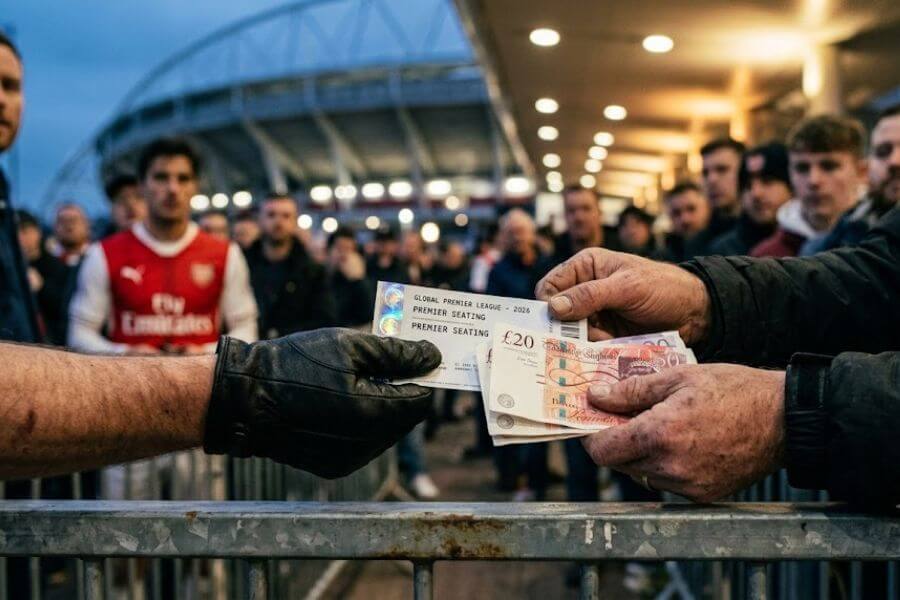
The space where people buy and sell tickets after the first sale is called the secondary market. In the past, this meant standing outside a stadium hoping to buy a paper pass from a stranger. Today, it is a multi-billion-dollar digital industry that operates globally.
Several factors have caused this market to grow so fast:
- Mobile ticketing apps have moved the entire process onto smartphones, making it fast to transfer ownership of a pass anywhere in the world.
- Massive resale platforms have become household names, giving buyers a sense of security while also hosting incredibly high markups.
- Global internet connection allows a person living in one country to buy up seats for a show happening in a completely different time zone just to flip them for a profit.
- High demand for shared experiences on social media makes people feel like they must attend these major moments no matter the cost.
This digital transformation has changed the rules of live events. When a ticket is no longer just a pass to a show but a valuable digital item to be traded, the average fan loses out. The secondary market thrives on the fact that your emotional attachment to an artist or team makes you willing to spend money you might not actually have.
Comparing Ticket Buying Experiences
| Feature of the Purchase | Original Ticket Sales | Secondary Resale Sites |
| Price Stability | Prices stay at a set starting number throughout the initial launch day | Prices bounce up and down every single hour based on fan panic |
| Hidden Costs | Standard service fees are added at checkout but remain predictable | Massive extra platform fees are added that can double the final cost |
| Seat Selection | You take whatever the system gives you before the timer runs out | You get to pick specific seats but must pay massive premiums for good views |
| Availability | Tickets sell out in less than five minutes during the first public release | Tickets are always available if you have thousands of dollars to spend |
How Advanced Technology Rules the Lines
If you have ever tried to buy a ticket online, you know it feels like you are competing against an army of ghosts. That is because you actually are. Modern resale operations do not rely on human fingers clicking buttons. They use highly advanced computer scripts called bots.
These automated tools are programmed to do one thing perfectly: bypass security checks, fill out payment forms, and secure dozens of prime seats before a human can even type their email address. Even though laws have been passed to stop this automated buying, the technology keeps changing to stay ahead of the rules.
Once the bots hold the inventory, another technological force takes over. This is called dynamic pricing. Resale platforms use mathematical algorithms that watch how many people are searching for a specific show. If thousands of users are looking at the same city section at 7:00 PM, the software automatically raises the price by hundreds of dollars. It works exactly like ride-sharing apps during a heavy rainstorm. The system measures your desperation in real time and uses it to maximize profit.
The Travel Math Behind Fan Tourism
The ticket itself is just the first step in a very long line of expenses. When an event becomes a global destination, every business in the host city notices. This creates a secondary wave of cost increases that hits your travel budget hard.
Hotels, short-term rentals, and airlines use the exact same automated pricing tools that ticket platforms use. The minute a major tour schedule drops, room rates in those specific cities spike immediately. A simple hotel room that usually costs one hundred dollars a night can easily jump to four hundred dollars during a concert weekend.
Total Travel Cost Analysis
- Round-trip transportation like flights or trains can easily cost four hundred to eight hundred dollars depending on how far you travel.
- Three nights in a standard hotel during a high-demand event weekend often totals nine hundred dollars.
- The marked-up resale ticket in the lower bowl of the arena frequently demands seven hundred dollars.
- Daily food, local public transport, and official tour merchandise can quickly add another three hundred dollars to your tab.
When you add all of these pieces together, a single evening of entertainment transforms into a two thousand or three thousand dollar luxury vacation. For younger fans or working families, these numbers are simply impossible to balance. It means that the live music experience is turning into an exclusive club where your bank account matters much more than how many songs you know by heart.
The Psychological Toll on Communities
Being a dedicated follower used to feel like being part of a big, welcoming family. You met people who shared your exact interests, made friends in line, and felt a deep connection to the art. The massive financial inflation of this industry is destroying that community feeling.
Now, online spaces are filled with stress, anger, and disappointment. Fans feel used by the very industries they support. There is a growing sense of unfairness when you see front-row seats sitting empty during a show because a resale site priced them too high for regular people to buy.
This division creates two separate classes of event attendees:
- Wealthy travelers and online influencers who view the event as a status symbol to display on their social media profiles.
- Local, lifelong supporters who are forced to stand outside the stadium walls because they could not match the skyrocketing online bids.
This shift changes the actual energy inside the venue. Loud, passionate crowds are often replaced by quieter audiences who are more interested in recording videos on their phones than singing along. The heart of the live experience gets lost when the crowd is filled with people who bought their way in at the last microsecond, rather than people who have supported the artist for years.
The Global Destination Effect
When a major star chooses to perform in only a few select global cities, it triggers an international migration pattern. Fans from countries that were skipped look at the map and realize they have to fly across oceans to see the performance. This is where the true cost of fan tourism becomes clear.
Certain cities have become hotspots for this specific type of travel. While this brings a fast wave of money to local restaurants and shops, it creates a massive strain on local infrastructure and drives prices through the roof for ordinary citizens who live there.
Comparing Tour Stops Across the Globe
| Global Region | Ticket Price Patterns | Accommodation Availability | Overall Expense Level |
| North American Hubs | Extreme resale markups that routinely cross one thousand dollars | Massive selection of hotels but heavy event pricing shifts | Highest total cost due to lack of local price control laws |
| European Tourist Cities | Strict local resale caps that keep prices closer to original face value | Limited room options in historic centers which drives up stay costs | Moderate overall cost if you manage to secure a room early |
| Asian Major Stops | High lottery demand that makes winning an original spot very rare | Excellent public transit keeps secondary travel costs low | Variable total cost depending on your international flight distance |
This chart highlights why so many fans are actually choosing to fly across the world to save money. For some North American fans, it is actually cheaper to buy a flight to Europe and a face-value ticket there than it is to buy a single resale ticket in their hometown stadium. This weird economic reality proves just how broken the regional resale markets have become.
How to Protect Your Wallet
Navigating this expensive world requires a strategic plan. You can no longer just log in and hope for the best. To combat automated software and artificial price spikes, you have to change how you approach buying your travel and your admission passes.
The first step is to avoid the initial panic window. Resale prices are usually at their absolute highest in the forty-eight hours immediately after a show sells out. This is when human fear is strongest, and sellers know people will pay crazy amounts out of desperation. If you wait a few weeks, or even look for options a few days before the event, prices often drop significantly as sellers scramble to get rid of their inventory before it becomes worthless.
Smart Strategies for Smart Fans
- Always sign up for verified fan presale groups weeks before the official tour announcement to get a head start on the line.
- Look at mid-week event dates instead of weekend shows, as fewer people travel for concerts on Tuesdays and Wednesdays.
- Consider booking lodging in a smaller town twenty minutes outside the main city center to avoid the direct event price hikes.
- Set fixed price alerts on multiple verified resale sites and walk away when the number goes over your personal budget.
By staying calm and using structured strategies, you can sometimes find gaps in the high-tech resale system. It takes patience and a willingness to miss out if the costs get too high, but it is the best way to make sure you do not ruin your personal financial future for a single night of fun.
The Future of Live Event Access
The current situation is not sustainable for long-term music and sports health. If young fans are completely priced out of seeing live events today, they will not grow up to be the lifelong supporters who buy merchandise and albums tomorrow.
The live industry is slowly realizing this danger, and some changes are beginning to take place. Some artists are experimenting with non-transferable digital passes that are locked directly to your specific phone and your specific identification card. This completely stops third-party sellers from making a profit, because the ticket cannot be traded to a stranger for cash.
Other regions are looking at strict government laws. Some countries have already made it completely illegal to resell an admission pass for more than ten percent above its original face value. If these laws expand globally, it could completely wipe out the profit motive for automated buying groups. Until those changes become standard everywhere, the responsibility falls directly on you. Being an educated consumer is your ultimate shield against the hidden forces that make fan tourism so expensive.
Frequently Asked Questions
Why do tickets sell out so fast on the very first day?
Tickets vanish instantly because commercial ticket brokers use high-speed automated computer programs to jump ahead of the digital line. These bots can complete hundreds of checkout processes in the time it takes a human to type a single credit card number. Promoters also hide a large percentage of the best seats for corporate sponsors, credit card reward programs, and VIP packages, leaving only a tiny amount of standard tickets for the general public.
Is it safe to buy resale tickets from social media users?
Buying directly from individuals on social media is highly risky and often leads to scams. Fraudulent users copy real barcodes or create fake confirmation emails to sell the exact same fake ticket to dozens of unsuspecting buyers. If you choose to buy from another fan, always use a payment platform that offers clear buyer protection and never send money through untraceable wire apps.
How does dynamic pricing actually work on ticket sites?
Dynamic pricing uses real-time computer algorithms to adjust ticket costs based on user demand. The system tracks how many people are looking at a specific page, how fast seats are disappearing, and how many times a user clicks on a section. If the software detects high excitement, it automatically raises the price. This means two people sitting right next to each other in the stadium could have paid completely different amounts for their seats.
Why do hotel rooms get so expensive when a big tour is announced?
Hotels use automated revenue management software that monitors local search patterns and flight data. The exact moment a major artist or sports team announces a date in a specific city, thousands of people search for rooms at the same time. The hotel software identifies this sudden surge in traffic and instantly raises rates to maximize their earnings from the incoming wave of travelers.
Can I get a refund if the event is canceled or rescheduled?
If an event is completely canceled, major official resale platforms will usually give you a full refund of your purchase price, including the extra fees. However, if the show is simply rescheduled to a different date, your ticket remains valid for that new date and you will not get your money back. If you cannot make the new date, your only option is to list the pass back on the secondary market and hope another fan buys it from you.