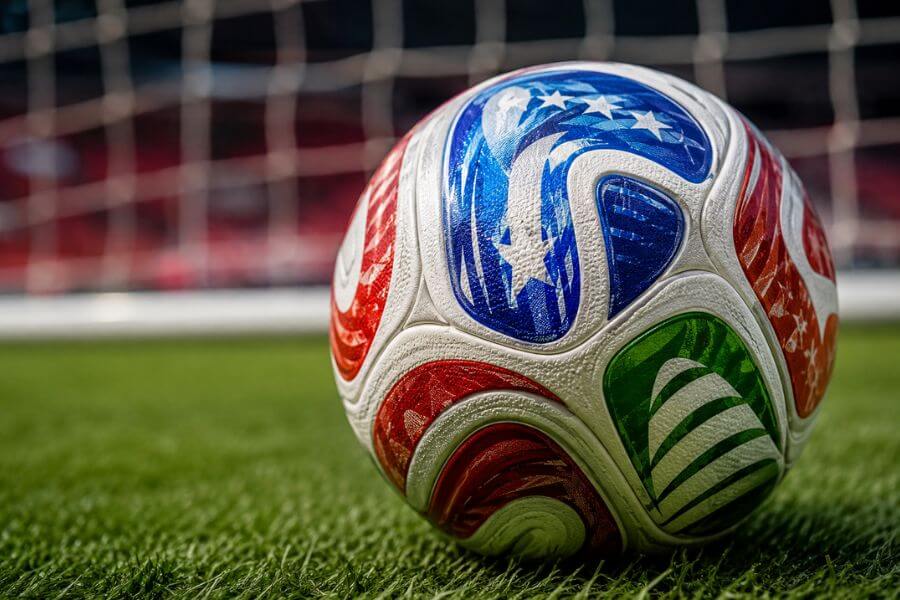
The 2026 FIFA World Cup will be one of the most historic tournaments in soccer history. It is not just bigger in size, but also different in several important ways. Whether you watch every match or only tune in for the knockout rounds, understanding these changes will help you enjoy the tournament even more.
For the first time, the World Cup will be hosted across three countries, feature more teams than ever before, and introduce several competition changes that affect everything from qualification opportunities to scheduling. Some of these updates will make the tournament more exciting, while others will completely change how teams approach their matches.
In this guide, you’ll learn the 10 biggest rules and format changes that every fan should know before the first ball is kicked in 2026.
Quick Summary Table 🏆
| # | Rule Change | Why It Matters |
|---|---|---|
| 1 | Expansion to 48 teams | More nations qualify |
| 2 | 12 groups instead of 8 | New group-stage structure |
| 3 | Round of 32 introduced | More knockout matches |
| 4 | Tournament expands to 104 matches | More soccer for fans |
| 5 | Three host nations | Unique multi-country event |
| 6 | Revised qualification pathways | More opportunities worldwide |
| 7 | Third-place teams can advance | Group-stage strategy changes |
| 8 | Longer tournament schedule | More rest and recovery |
| 9 | Expanded squad management importance | Greater depth required |
| 10 | Larger global representation | More competitive diversity |
How We Ranked These Changes 📊
We ranked these World Cup changes based on the following factors:
- Impact on fans watching the tournament
- Effect on team strategies
- Influence on qualification opportunities
- Historical significance
- Potential to change tournament outcomes
- Long-term impact on future World Cups
- Importance for casual and hardcore fans alike
- Effect on player workload and scheduling
1. Expansion from 32 Teams to 48 Teams 🚀
The biggest change in World Cup history is the expansion from 32 teams to 48 teams.
For decades, qualifying for the World Cup was incredibly difficult, especially for nations outside Europe and South America. The new format opens the door for many countries that previously struggled to qualify.
This expansion means:
- 16 additional teams will participate
- More continents receive extra qualification spots
- More underdog stories become possible
- Fans from more countries can experience the World Cup
For supporters, this creates greater global representation and introduces fresh matchups that would rarely happen under the old format.
You can expect to see several nations making their World Cup debut in 2026.
2. Twelve Groups Replace the Traditional Eight 🏅
The tournament will no longer use eight groups of four teams.
Instead, the 48 qualified nations will be divided into 12 groups consisting of four teams each.
This change creates a completely different tournament structure. Teams will still play three group-stage matches, but the advancement rules become more complex.
The new format increases the number of meaningful games because more teams remain in contention for advancement deeper into the group stage.
Fans will need to pay closer attention to standings, goal differences, and results from other groups.
The race to qualify for the knockout rounds becomes much more interesting under this setup.
3. Introduction of a Round of 32 🎯
Previously, teams advanced directly from the group stage into the Round of 16.
In 2026, a new Round of 32 will be added.
This means:
- More knockout matches
- More high-stakes games
- More opportunities for surprises
- More chances for smaller nations to make history
Knockout soccer often produces the tournament’s most memorable moments. By adding another elimination round, FIFA is giving fans more dramatic matches.
A single upset can completely change the tournament landscape.
This new stage also rewards teams that successfully navigate the expanded group phase.
4. The Tournament Grows to 104 Matches 🔥
The 2022 FIFA World Cup featured 64 matches.
The 2026 tournament will feature an incredible 104 matches.
That is a massive increase in total games and gives fans more soccer than ever before.
Benefits include:
- More television coverage
- More opportunities to watch favorite teams
- Increased exposure for emerging players
- More exciting storylines
For broadcasters and fans, the World Cup becomes a month-long soccer festival unlike anything seen before.
There will be matches almost every day, keeping the excitement alive throughout the tournament.
5. Three Host Countries Instead of One 🇺🇸
The 2026 FIFA World Cup will be jointly hosted by:
- United States
- Canada
- Mexico
This is the first World Cup hosted by three nations.
The scale of the event will be enormous, with matches taking place across multiple cities and regions.
For fans, this means:
- More host cities
- More stadium options
- Greater cultural diversity
- Larger travel opportunities
The tournament will feel like a continental celebration rather than a traditional single-country event.
This unique hosting model could influence future World Cups as well.
6. Qualification Opportunities Increase Across Every Region 🌟
The expansion to 48 teams dramatically changes qualification.
Every major confederation receives additional places, including:
- Europe
- Africa
- Asia
- North America
- South America
- Oceania
Countries that previously missed out due to limited spots now have realistic opportunities to qualify.
This change is especially significant for developing soccer nations.
More countries participating means greater investment in youth development, infrastructure, and national team programs.
The impact could be felt for decades.
7. Best Third-Place Teams Can Advance 🎲
One of the most important competitive changes is that not every advancing team will finish first or second in its group.
The eight best third-place teams will also move on to the knockout rounds.
This creates fascinating strategic situations.
Teams may still qualify even after:
- Losing an early match
- Starting the tournament slowly
- Facing a difficult group favorite
Because of this rule, teams are likely to fight until the final whistle of every group-stage game.
Fans can expect dramatic final matchdays with multiple qualification scenarios happening at once.
8. Longer Tournament Schedule for Better Recovery ⏳
With more teams and more matches, the tournament schedule has been expanded.
The longer format provides:
- Additional recovery time
- Better player management
- Reduced fatigue concerns
- Improved match quality
Modern soccer players often face packed club schedules throughout the year.
Extra rest days can help maintain performance levels during the tournament.
For fans, this should result in higher-quality matches and fewer injury-related absences among star players.
9. Squad Depth Becomes More Important Than Ever 🧠
Winning seven matches in a traditional World Cup was already difficult.
In the expanded format, teams may need to survive additional rounds and manage a longer competition.
As a result, squad depth becomes crucial.
Coaches must think beyond their starting lineup.
Successful teams will need:
- Strong substitutes
- Flexible tactical options
- Reliable backup players
- Effective rotation strategies
A nation’s bench strength may become just as important as its star players.
The deepest squads could gain a significant advantage over the course of the tournament.
10. Greater Global Representation Changes the Competitive Landscape 🌍
The final major change is the increased diversity of participating nations.
More countries from different regions means:
- New playing styles
- Unfamiliar opponents
- Unique tactical approaches
- Fresh rivalries
Fans will be introduced to players and teams they may never have seen before.
The expanded field creates opportunities for breakthrough performances from emerging soccer nations.
This broader representation reinforces the World Cup’s role as a truly global competition.
The tournament becomes more inclusive while showcasing the growth of soccer around the world.
Conclusion 🎉
The 2026 FIFA World Cup represents the biggest transformation the tournament has seen in decades. The jump to 48 teams, the introduction of a Round of 32, the expansion to 104 matches, and the inclusion of three host nations will create a World Cup unlike any before it.
For fans, the changes mean more matches, more countries, more drama, and more opportunities for unforgettable moments. While traditionalists may miss the older format, the new structure promises a larger and more inclusive celebration of the world’s most popular sport.
If you plan to watch the 2026 FIFA World Cup, understanding these changes will help you follow the tournament and appreciate just how different this historic edition will be.
Frequently Asked Questions ❓
Will the 2026 FIFA World Cup be the largest World Cup ever?
Yes. With 48 teams and 104 matches, it will be the largest FIFA World Cup ever held in terms of participating nations and total games played.
How many teams will make their World Cup debut in 2026?
The exact number is unknown until qualification ends, but the expanded format significantly increases the chances of first-time participants reaching the tournament.
Will the group stage still consist of three matches per team?
Yes. Each team will play three group-stage matches because every group contains four teams.
Does the expanded format make it easier to reach the knockout stage?
Generally, yes. With more teams advancing, nations have a greater chance of reaching the knockout rounds compared to previous World Cups.
Could future World Cups become even larger than 48 teams?
FIFA has not announced plans for further expansion, but the success or challenges of the 2026 format will likely influence future decisions about tournament size.