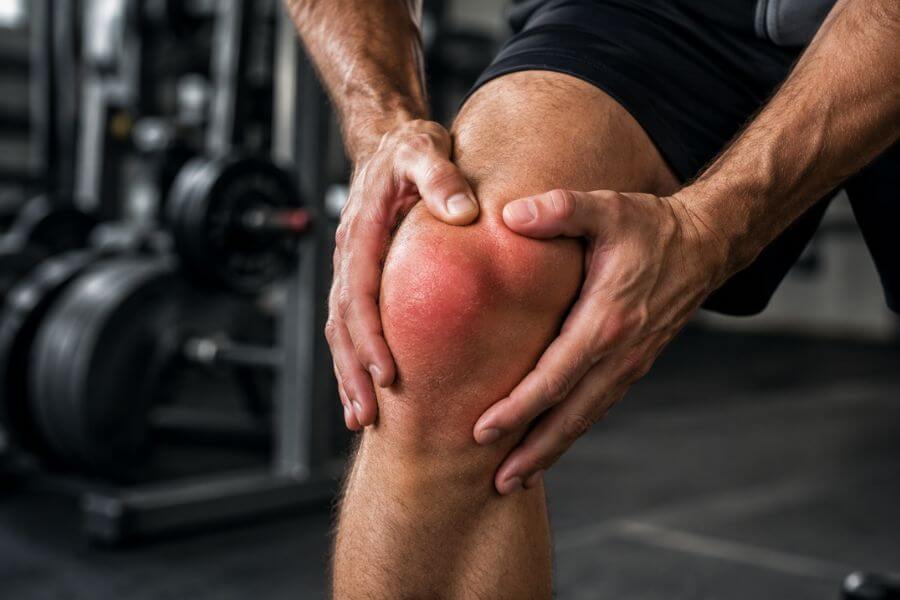
Weightlifting is one of the best ways to build strength, improve your physique, and support long-term health. Whether you are a beginner learning proper form or an experienced lifter chasing new personal records, lifting weights can help you reach your fitness goals faster than many other forms of exercise.
However, weightlifting is not completely risk-free. Poor technique, excessive training volume, inadequate recovery, and lifting more weight than your body can handle can all increase your chances of injury. Even small mistakes repeated over time can lead to pain that keeps you out of the gym for weeks or even months.
The good news is that most weightlifting injuries are preventable. By understanding the most common injuries and learning how to avoid them, you can continue making progress while keeping your body healthy.
In this guide, you’ll discover the 10 most common weightlifting injuries, why they happen, and practical steps you can take to reduce your risk.
Quick Summary Table 📋
| Rank | Injury | Common Cause | Prevention Strategy |
|---|---|---|---|
| 1 | Lower Back Strain | Poor lifting form | Maintain neutral spine |
| 2 | Rotator Cuff Injury | Heavy pressing movements | Strengthen shoulder stabilizers |
| 3 | Knee Tendonitis | Excessive squatting volume | Improve mobility and recovery |
| 4 | Wrist Strain | Poor wrist positioning | Use proper grip techniques |
| 5 | Elbow Tendonitis | Repetitive pulling and pressing | Manage training volume |
| 6 | Herniated Disc | Improper spinal loading | Focus on core stability |
| 7 | Pec Muscle Tear | Heavy bench pressing | Progress weight gradually |
| 8 | Hip Flexor Strain | Poor mobility and overtraining | Stretch and strengthen hips |
| 9 | Neck Strain | Poor posture during lifts | Maintain proper head position |
| 10 | Ankle Sprain | Poor stability and balance | Improve ankle mobility |
How We Ranked These Injuries 🎯
We ranked these injuries using several important factors:
- How frequently they occur among weightlifters
- How much training time they can cause you to miss
- How serious the injury can become if ignored
- How often beginners and experienced lifters experience them
- The likelihood of requiring medical treatment
- The impact on long-term performance
- The importance of prevention for overall lifting success
1. Lower Back Strain 🔥
Lower back strains are arguably the most common weightlifting injury. They often occur during deadlifts, squats, bent-over rows, and other movements that place stress on the spine.
A lower back strain happens when muscles or ligaments surrounding the spine become overstretched or torn. This can result from lifting too much weight, rounding your back during a lift, or failing to brace your core properly.
Symptoms often include:
- Sharp pain during lifting
- Tightness in the lower back
- Muscle spasms
- Reduced mobility
How to Prevent It
- Keep your spine in a neutral position
- Learn proper deadlift and squat mechanics
- Strengthen your core muscles
- Avoid ego lifting
- Increase weight gradually over time
- Warm up thoroughly before heavy sessions
Building proper technique should always take priority over adding more weight to the bar.
2. Rotator Cuff Injury 🎽
The rotator cuff is a group of muscles and tendons that help stabilize your shoulder joint. Because the shoulder is highly mobile, it is also vulnerable to injury.
Weightlifters commonly experience rotator cuff issues from:
- Heavy bench pressing
- Overhead pressing
- Poor shoulder mobility
- Excessive training volume
Early symptoms may include discomfort when raising your arm, weakness during pressing exercises, and shoulder pain that worsens over time.
How to Prevent It
- Include rotator cuff strengthening exercises
- Improve shoulder mobility regularly
- Balance pushing and pulling exercises
- Avoid excessive bench press volume
- Use controlled movement patterns
A strong and stable shoulder can significantly reduce injury risk.
3. Knee Tendonitis 🦵
Knee tendonitis, often called patellar tendonitis, develops when the tendon connecting the kneecap to the shinbone becomes irritated.
Heavy squats, leg presses, lunges, and repetitive jumping movements can contribute to this condition.
You may notice:
- Pain below the kneecap
- Stiffness during workouts
- Discomfort when climbing stairs
- Tenderness around the tendon
How to Prevent It
- Avoid sudden increases in training volume
- Improve ankle and hip mobility
- Strengthen supporting leg muscles
- Prioritize recovery days
- Use proper squat depth and form
Listening to early warning signs can prevent tendonitis from becoming a long-term problem.
4. Wrist Strain 🤲
Your wrists absorb significant force during many lifting exercises, including bench presses, front squats, overhead presses, and curls.
Poor wrist alignment often places excessive stress on tendons and ligaments.
Common symptoms include:
- Wrist pain during pressing movements
- Weak grip strength
- Swelling
- Reduced range of motion
How to Prevent It
- Keep wrists neutral during lifts
- Improve wrist mobility
- Strengthen forearm muscles
- Avoid excessive wrist bending
- Use appropriate grip widths
Small technique adjustments can make a huge difference in wrist comfort.
5. Elbow Tendonitis 🎾
Elbow tendonitis is a common overuse injury among lifters who perform large amounts of pressing and pulling exercises.
Repeated stress can irritate tendons around the elbow, leading to pain and inflammation.
Symptoms include:
- Pain when gripping objects
- Tenderness around the elbow
- Reduced strength
- Discomfort during curls or presses
How to Prevent It
- Vary your exercise selection
- Avoid excessive volume
- Improve lifting technique
- Strengthen forearm muscles
- Schedule adequate recovery
Ignoring elbow pain often leads to longer recovery periods later.
6. Herniated Disc 🛡️
A herniated disc occurs when the soft inner material of a spinal disc pushes outward and irritates nearby nerves.
This injury can be particularly serious and may affect daily activities beyond the gym.
Common causes include:
- Poor deadlift form
- Excessive spinal flexion
- Heavy lifting without proper bracing
- Repetitive stress over time
Symptoms may include:
- Lower back pain
- Leg pain
- Numbness
- Tingling sensations
How to Prevent It
- Learn proper spinal positioning
- Strengthen your core
- Avoid rounding your back
- Focus on quality movement patterns
- Progress weight conservatively
Maintaining spinal health should be a top priority for every lifter.
7. Pec Muscle Tear 🏅
Pectoral tears most commonly occur during heavy bench presses, especially when lifters attempt maximal loads without proper preparation.
The injury may range from a minor strain to a complete muscle tear.
Signs include:
- Sudden sharp pain
- Bruising
- Weakness during pressing
- A popping sensation
How to Prevent It
- Warm up thoroughly
- Increase weight gradually
- Avoid bouncing the bar off your chest
- Use proper bench press technique
- Strengthen supporting shoulder muscles
Patience often prevents the type of injuries that happen during aggressive weight jumps.
8. Hip Flexor Strain 🚴
Hip flexors play an important role in squatting, running, and many athletic movements.
When these muscles become overworked or tight, strains can occur.
Symptoms often include:
- Pain in the front of the hip
- Tightness during squats
- Difficulty lifting the knee
- Reduced mobility
How to Prevent It
- Stretch regularly
- Improve hip mobility
- Strengthen glutes and core muscles
- Avoid prolonged sitting
- Balance lower body training
Healthy hips contribute to stronger and safer lifting performance.
9. Neck Strain 🧠
Many lifters accidentally place unnecessary stress on their neck during exercises.
Looking up excessively during deadlifts or pushing the head forward during presses can create strain over time.
Symptoms include:
- Neck stiffness
- Headaches
- Muscle tightness
- Reduced range of motion
How to Prevent It
- Maintain a neutral head position
- Strengthen upper back muscles
- Improve posture throughout the day
- Avoid excessive tension during lifts
- Focus on controlled movement
Your neck should remain aligned with your spine during most exercises.
10. Ankle Sprain ⚡
Although less common than other lifting injuries, ankle sprains can still affect weightlifters, especially during dynamic movements or when stability is lacking.
Weak ankles can negatively impact squat depth, balance, and overall performance.
Symptoms may include:
- Swelling
- Instability
- Pain while walking
- Reduced mobility
How to Prevent It
- Improve ankle mobility
- Perform balance exercises
- Wear appropriate footwear
- Strengthen lower leg muscles
- Address previous ankle injuries properly
Strong and stable ankles create a solid foundation for every lift.
Conclusion 🏆
Weightlifting injuries can happen to anyone, from beginners to advanced athletes. Fortunately, most injuries are preventable when you prioritize proper form, smart programming, adequate recovery, and gradual progression.
The most common weightlifting injuries often develop because lifters rush progress, ignore warning signs, or neglect mobility and recovery work. By focusing on good technique and listening to your body, you can reduce your risk significantly and continue making steady gains for years to come.
Remember that consistency beats intensity. Staying healthy and injury-free will always help you achieve better long-term results than pushing through pain and dealing with setbacks later.
Frequently Asked Questions ❓
Should I stop lifting completely if I feel pain?
Not always. Minor soreness is normal after training, but sharp or persistent pain should never be ignored. Consider reducing intensity and consulting a healthcare professional if symptoms continue.
How long should I warm up before lifting weights?
Most people benefit from 10 to 15 minutes of warm-up activity, including light cardio, mobility work, and exercise-specific warm-up sets before heavy lifting.
Are lifting belts effective for injury prevention?
Lifting belts can help improve core bracing during heavy lifts, but they are not a substitute for proper technique, core strength, and smart training habits.
What is the biggest mistake beginner lifters make?
One of the biggest mistakes is increasing weight too quickly before mastering proper form. Learning technique first reduces injury risk and builds a stronger foundation.
How important is recovery for preventing weightlifting injuries?
Recovery is extremely important. Quality sleep, proper nutrition, hydration, stress management, and scheduled rest days all help your body repair itself and reduce injury risk.