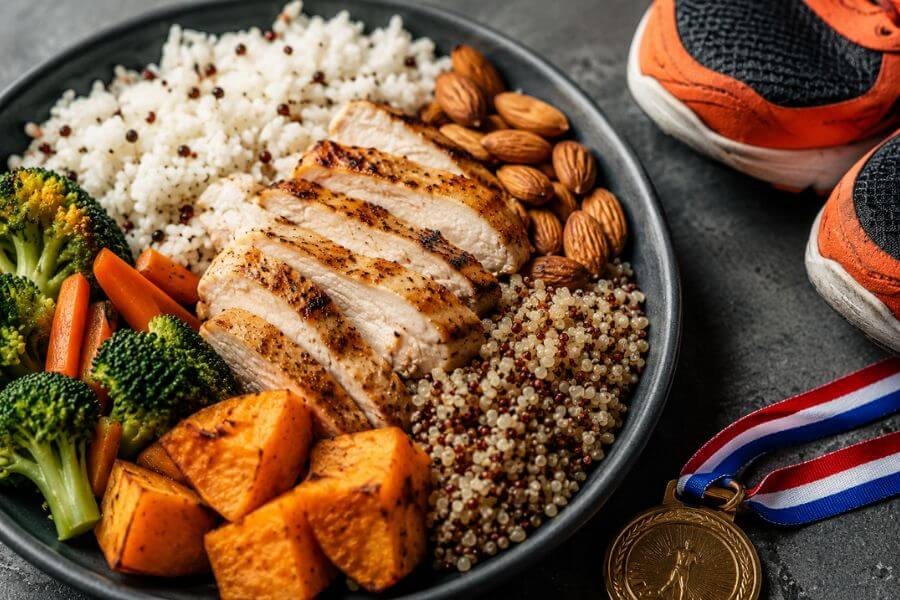
When you watch Olympic-level endurance runners, it is easy to focus on their training plans, race strategies, and incredible fitness. What many people do not realize is that nutrition plays an equally important role in their success. The best endurance runners in the world do not simply eat healthy foods. They follow specific habits that help them recover faster, train harder, stay injury-free, and perform at their highest level when it matters most.
The good news is that you do not need to be an Olympian to benefit from these habits. Whether you are training for a marathon, running your first 5K, or simply trying to improve your health, these proven nutrition practices can help you get more from your workouts and feel better every day.
In this guide, you will discover the 10 most impactful nutrition habits used by elite endurance runners and learn how you can apply them to your own routine.
Quick Summary Table 📊
| Rank | Nutrition Habit | Primary Benefit |
|---|---|---|
| 1 | Prioritizing carbohydrates daily | Sustained energy and glycogen storage |
| 2 | Refueling immediately after workouts | Faster recovery |
| 3 | Eating enough calories consistently | Supports training and performance |
| 4 | Hydrating strategically | Maintains endurance and focus |
| 5 | Including protein at every meal | Muscle repair and adaptation |
| 6 | Practicing race-day nutrition | Better competition performance |
| 7 | Timing meals around training | Improved energy availability |
| 8 | Choosing nutrient-dense foods | Better overall health and recovery |
| 9 | Monitoring iron intake | Supports oxygen delivery |
| 10 | Maintaining nutritional consistency | Long-term performance gains |
How We Ranked These Nutrition Habits 🎯
We evaluated these habits using several important factors that directly influence endurance running performance:
- Impact on training quality
- Influence on race-day performance
- Recovery benefits
- Scientific support from sports nutrition research
- Adoption among elite and Olympic-level runners
- Long-term sustainability
- Ease of implementation for everyday runners
- Contribution to injury prevention
- Effect on energy levels and endurance
- Overall importance to athletic success
1. Prioritizing Carbohydrates Daily 🍌
Carbohydrates remain the primary fuel source for endurance athletes. Olympic runners understand that glycogen stores can make the difference between a strong finish and complete exhaustion.
Many recreational runners mistakenly avoid carbohydrates because of popular diet trends. Elite runners take the opposite approach. They carefully plan their carbohydrate intake to support demanding training schedules.
Foods such as rice, potatoes, oatmeal, whole grain bread, fruits, and pasta are often staples in an elite runner’s diet. These foods help replenish glycogen stores that fuel long runs, interval sessions, and race efforts.
When glycogen levels are low, training quality suffers. Runners may feel sluggish, struggle to hit target paces, and require more recovery time. Consistently consuming adequate carbohydrates allows athletes to maintain higher training volumes while reducing fatigue.
If you want to improve your endurance, one of the simplest changes you can make is ensuring carbohydrates are present at most meals throughout the day.
2. Refueling Immediately After Workouts 🥤
Olympic runners treat recovery nutrition as seriously as the workout itself. The period immediately after training is often called the recovery window because the body is highly responsive to nutrients.
After a hard run, muscles need carbohydrates to replenish glycogen and protein to begin repairing damaged muscle fibers. Delaying recovery nutrition can slow these processes and leave you feeling tired for longer.
Many elite athletes consume a recovery meal or snack within 30 to 60 minutes after finishing a workout. This could include:
- Greek yogurt with fruit
- A protein smoothie with banana
- Chocolate milk
- Rice and lean protein
- Oatmeal with protein powder
Consistent post-workout fueling helps runners recover more efficiently between training sessions and maintain a higher level of performance throughout the week.
3. Eating Enough Calories Consistently 🍽️
One of the most overlooked habits among recreational runners is simply eating enough food. Olympic-level endurance athletes burn enormous amounts of energy during training and make sure they replace those calories appropriately.
Underfueling can lead to:
- Chronic fatigue
- Poor recovery
- Reduced performance
- Increased injury risk
- Hormonal disruptions
- Decreased immune function
Elite runners understand that food is fuel. They do not see nutrition as a reward after exercise. Instead, they view eating as part of the training process.
Rather than dramatically restricting calories, successful endurance athletes focus on matching energy intake to training demands. Hard training days often require significantly more food than recovery days.
Learning to fuel adequately can improve both performance and overall well-being.
4. Hydrating Strategically 💧
Hydration is far more than simply drinking water when you feel thirsty. Olympic runners often follow personalized hydration plans that consider weather conditions, sweat rates, workout duration, and electrolyte needs.
Even mild dehydration can negatively affect:
- Endurance performance
- Heart rate
- Mental focus
- Running efficiency
- Recovery
Elite runners frequently start workouts already hydrated and continue replacing fluids throughout the day.
They also recognize the importance of electrolytes, especially sodium, during long training sessions and races. These minerals help maintain fluid balance and support muscle function.
A simple way to improve your hydration habits is to monitor urine color, drink regularly throughout the day, and increase fluid intake during hot conditions or high-volume training periods.
5. Including Protein at Every Meal 🍳
Protein supports muscle repair, adaptation, and recovery. Olympic runners generally spread protein intake throughout the day rather than consuming it all at once.
Including protein with every meal helps maximize muscle protein synthesis and supports the body’s ability to recover from demanding training sessions.
Common protein sources include:
- Eggs
- Fish
- Chicken
- Turkey
- Greek yogurt
- Cottage cheese
- Lean beef
- Beans
- Lentils
- Tofu
Rather than focusing only on post-workout protein shakes, elite runners aim to consistently consume quality protein across breakfast, lunch, dinner, and snacks.
This steady approach supports long-term adaptation and helps maintain lean muscle mass.
6. Practicing Race-Day Nutrition Before Race Day 🏅
Olympic athletes never experiment with nutrition during an important race. Every drink, gel, snack, and fueling strategy is tested repeatedly during training.
This habit helps prevent common race-day problems such as:
- Stomach discomfort
- Energy crashes
- Dehydration
- Digestive issues
Elite runners often use long runs as opportunities to practice their competition nutrition plans. They learn exactly how much fuel they need and how frequently they should consume it.
For recreational runners, this lesson is extremely valuable. Never wait until race morning to try a new gel, sports drink, or breakfast. Practice your strategy during training so you know what works best for your body.
7. Timing Meals Around Training ⏰
Nutrition timing can significantly influence workout quality. Olympic runners carefully organize meals and snacks around training sessions to maximize performance.
Before workouts, they consume foods that provide readily available energy. After workouts, they prioritize recovery nutrients.
A typical approach may include:
- Pre-run snack 30 to 90 minutes before training
- Main meal several hours before longer workouts
- Recovery meal shortly after finishing
- Balanced meals throughout the remainder of the day
This strategy ensures that athletes have adequate energy during training while supporting recovery afterward.
Even small improvements in meal timing can make workouts feel easier and more productive.
8. Choosing Nutrient-Dense Foods Most of the Time 🥗
Elite runners understand that performance depends on more than calories alone. The quality of food matters.
Nutrient-dense foods provide vitamins, minerals, antioxidants, fiber, and other compounds that support recovery, immune function, and overall health.
Common choices include:
- Fruits
- Vegetables
- Whole grains
- Lean proteins
- Nuts
- Seeds
- Legumes
- Dairy products
This does not mean Olympic athletes eat perfectly all the time. Rather, they make nutrient-rich foods the foundation of their diets.
Over months and years, these choices contribute to better recovery, fewer illnesses, and improved training consistency.
9. Monitoring Iron Intake ❤️
Iron is one of the most important nutrients for endurance runners because it helps transport oxygen throughout the body.
Low iron levels can lead to:
- Fatigue
- Poor performance
- Reduced endurance
- Difficulty recovering
Distance runners, especially women, are often at greater risk for iron deficiency.
Olympic athletes regularly monitor their iron status and consume iron-rich foods such as:
- Lean red meat
- Spinach
- Lentils
- Beans
- Fortified cereals
- Shellfish
They also understand that proper nutrition supports healthy iron levels better than waiting until a deficiency develops.
Paying attention to iron intake can have a surprisingly large impact on energy and endurance.
10. Maintaining Nutritional Consistency 🔥
The most impactful habit of all may be consistency. Olympic runners do not rely on extreme diets, miracle supplements, or short-term nutrition challenges.
Instead, they focus on making smart nutritional choices every day.
Consistency creates cumulative benefits such as:
- Better recovery
- Improved training quality
- More stable energy levels
- Enhanced health
- Greater long-term performance
A single healthy meal will not transform your running. Likewise, one indulgent meal will not ruin it. What matters most is the pattern you follow over weeks, months, and years.
The athletes who consistently fuel well are often the ones who achieve the greatest success.
Conclusion 🌟
Olympic-level endurance runners succeed because they combine world-class training with smart nutrition habits. While their exact meal plans may vary, the core principles remain remarkably consistent.
They prioritize carbohydrates, recover quickly after workouts, eat enough calories, stay hydrated, consume protein regularly, practice race nutrition, time meals strategically, focus on nutrient-dense foods, monitor important nutrients like iron, and maintain consistency throughout the year.
The best part is that these habits are not reserved for elite athletes. You can begin applying them today, regardless of your fitness level. Small improvements in nutrition often lead to significant gains in energy, recovery, and running performance over time.
Frequently Asked Questions ❓
Do Olympic runners count every calorie they eat?
Not necessarily. While some athletes track food intake during specific training periods, many focus on meeting energy needs through consistent eating habits and listening to their body’s hunger signals.
Are supplements necessary for endurance runners?
Most nutritional needs can be met through a balanced diet. However, some runners may use supplements when recommended by healthcare professionals or sports dietitians to address specific deficiencies.
How many meals per day do elite endurance runners typically eat?
Many Olympic runners eat three main meals plus several snacks throughout the day to support high energy demands and recovery needs.
Do endurance runners avoid junk food completely?
No. Most elite athletes follow an overall balanced approach. While nutrient-dense foods make up most of their diet, occasional treats can still fit into a healthy nutrition plan.
How long does it take to notice improvements from better nutrition habits?
Many runners notice increased energy and better recovery within a few weeks. More significant performance improvements typically develop over several months of consistent nutritional habits.