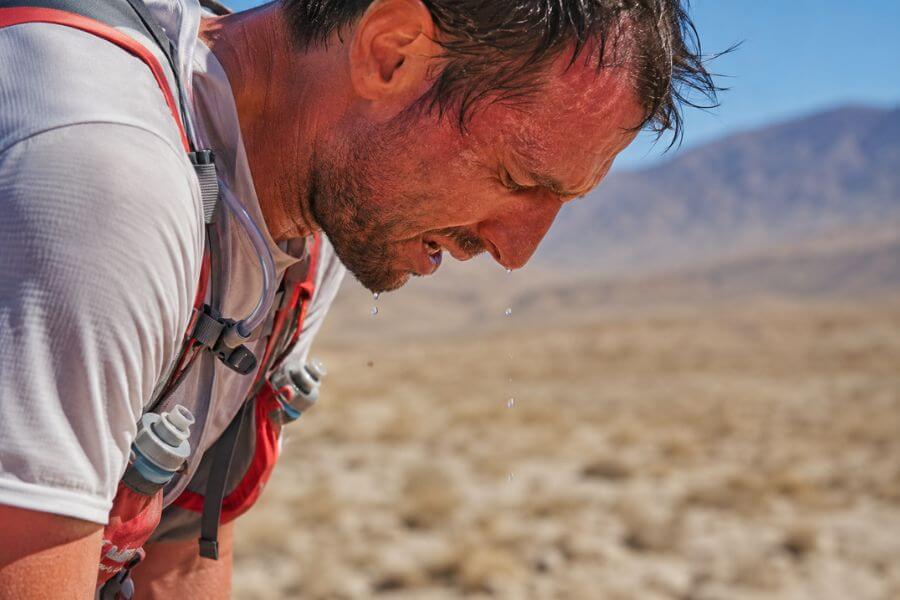
If you think running a marathon is difficult, wait until you see what some endurance athletes willingly put themselves through. Around the world, there are races so demanding that simply reaching the finish line is considered a life-changing achievement. These events test every part of a person, including physical strength, mental toughness, sleep deprivation tolerance, navigation skills, and the ability to keep moving when the body wants to quit.
What makes these races even more impressive is that people actually complete them. While many competitors drop out, every race on this list has produced finishers who pushed beyond what most people think is possible.
In this guide, you’ll discover 10 of the hardest endurance races on Earth, what makes them so brutal, and why athletes from around the world dream of conquering them.
Quick Summary Table 🏁
| Rank | Race | Location | Main Challenge | Distance |
|---|---|---|---|---|
| 1 | Barkley Marathons | Tennessee, USA | Navigation, extreme terrain, time limit | About 100+ miles |
| 2 | Marathon des Sables | Morocco | Desert heat and self-supported racing | 250+ km |
| 3 | Badwater 135 | California, USA | Extreme heat in Death Valley | 135 miles |
| 4 | Yukon Arctic Ultra | Canada | Arctic temperatures and isolation | Up to 430 miles |
| 5 | Moab 240 | Utah, USA | Mountain terrain and sleep deprivation | 240 miles |
| 6 | Iditarod Trail Invitational | Alaska, USA | Snow, cold, and wilderness survival | Up to 1,000 miles |
| 7 | Spartathlon | Greece | Historic ultra-distance challenge | 246 km |
| 8 | Race Across America | USA | Cross-country cycling endurance | 3,000+ miles |
| 9 | Norseman Xtreme Triathlon | Norway | Cold water and mountain climbing | Iron-distance triathlon |
| 10 | Ultraman World Championship | Hawaii, USA | Three-day endurance event | 320 miles |
How We Ranked These Races 🔥
To determine which races deserve a place on this list, we looked at several key factors:
- Total race distance
- Elevation gain and terrain difficulty
- Environmental conditions such as heat, cold, wind, and altitude
- Completion and dropout rates
- Sleep deprivation requirements
- Self-supported or limited-support formats
- Physical and mental demands
- Reputation among elite endurance athletes
- Historical difficulty and prestige
- Survival and safety challenges
The races ranked highest combine multiple extreme factors rather than relying on a single challenge.
1. Barkley Marathons 🌲
The Barkley Marathons is often called the toughest foot race in the world. Held in the rugged mountains of Tennessee, this event has become legendary among endurance athletes.
Unlike traditional races, runners receive no GPS assistance. Competitors must navigate using maps and compasses while searching for hidden books throughout the course. To prove they visited each checkpoint, they tear out specific pages from the books and present them at the finish.
The course changes every year and includes steep climbs, thick vegetation, and confusing terrain. The total elevation gain is often compared to climbing Mount Everest twice.
What makes Barkley truly frightening is its finish rate. Many years pass with no finishers at all. Even elite ultrarunners who have won major races elsewhere often fail to complete a single loop.
When someone finishes all five loops within the time limit, it becomes a major event in the endurance community.
Why it’s so hard:
- No marked course
- Extreme elevation gain
- Navigation challenges
- Limited sleep opportunities
- Very low finish rates
2. Marathon des Sables 🏜️
The Marathon des Sables is one of the world’s most famous ultramarathons. Taking place in the Sahara Desert, it pushes athletes through one of the hottest environments on Earth.
Participants cover more than 250 kilometers across multiple stages. The unique twist is that runners carry nearly everything they need for the entire week. Food, gear, and personal supplies all go into their backpacks.
Temperatures regularly exceed 100°F, and sand dunes can make every step feel exhausting. Blisters, dehydration, and fatigue are common companions throughout the race.
Many runners describe the event as a battle against the desert itself rather than against other competitors.
Why it’s so hard:
- Extreme desert heat
- Self-supported format
- Deep sand terrain
- Multi-day fatigue
- Limited comfort and recovery
3. Badwater 135 ☀️
Badwater 135 starts in California’s Death Valley, one of the hottest places on Earth.
Athletes run 135 miles from Badwater Basin to the slopes of Mount Whitney. The race takes competitors through temperatures that can reach well above 120°F.
Unlike many mountain ultras, the greatest challenge is not technical terrain. Instead, it is the relentless heat. Runners often feel as if they are moving through an oven.
Hydration becomes a constant concern. Crews carefully monitor runners to prevent dangerous heat-related illnesses.
Completing Badwater requires not only physical fitness but also a deep understanding of heat management and endurance strategy.
Why it’s so hard:
- Extreme temperatures
- Long distance
- Significant elevation gain
- Continuous exposure to sun
- High risk of dehydration
4. Yukon Arctic Ultra ❄️
If Badwater represents the hottest challenge, the Yukon Arctic Ultra may represent the coldest.
Held in northern Canada, this race forces competitors to travel through frozen wilderness where temperatures can plunge below -40°F.
Participants move by foot, ski, or fat bike. Many pull sleds loaded with supplies behind them as they cross enormous stretches of snow-covered terrain.
The cold affects every aspect of survival. Water freezes, batteries fail, and simple tasks become difficult.
Sleep can be dangerous because the body loses heat rapidly. Athletes must carefully manage clothing, nutrition, and shelter throughout the race.
Why it’s so hard:
- Dangerous cold temperatures
- Remote wilderness
- Self-sufficiency requirements
- Long race distances
- Constant survival concerns
5. Moab 240 ⛰️
The Moab 240 is one of the most demanding ultramarathons in North America.
Covering 240 miles through Utah’s stunning but unforgiving landscape, the race takes runners across deserts, mountains, canyons, and rocky trails.
Many participants spend several days on the course. Sleep becomes a luxury rather than a necessity.
As the race continues, even basic tasks such as eating, walking, and making decisions become more difficult due to exhaustion.
Athletes must manage their energy carefully because the event often becomes more mental than physical after the first hundred miles.
Why it’s so hard:
- Massive distance
- Sleep deprivation
- Diverse terrain
- Significant elevation changes
- Multi-day effort
6. Iditarod Trail Invitational 🐺
Inspired by Alaska’s famous dog sled race, the Iditarod Trail Invitational is one of the world’s toughest winter endurance events.
Participants can choose distances that extend hundreds of miles across the remote Alaskan wilderness. Some versions approach 1,000 miles.
Competitors travel by foot, ski, or fat bike through snow-covered landscapes where weather conditions can change rapidly.
The isolation is intense. Help may be far away, making preparation critical.
Many athletes describe the race as a combination of endurance competition and wilderness expedition.
Why it’s so hard:
- Extreme cold
- Huge distances
- Isolation
- Self-supported travel
- Challenging weather conditions
7. Spartathlon 🏛️
The Spartathlon follows the route that the ancient Greek messenger Pheidippides is believed to have traveled from Athens to Sparta.
Covering 246 kilometers, the race is known for its strict cutoff times. Athletes cannot simply move slowly and expect to finish.
Runners must maintain a demanding pace while dealing with heat, hills, and fatigue.
The course includes mountain sections and often takes competitors through an entire day and night of running.
Because of the strict standards, many talented ultrarunners fail to reach Sparta before the clock runs out.
Why it’s so hard:
- Long distance
- Strict time limits
- Heat exposure
- Mountain sections
- Continuous running for over a day
8. Race Across America 🚴
Race Across America is widely considered one of the hardest cycling events ever created.
Cyclists travel more than 3,000 miles across the United States. Unlike stage races, the clock never stops.
Competitors ride through deserts, mountains, plains, and changing weather conditions while trying to minimize sleep.
Many riders average only a few hours of sleep per day. Some sleep less than that during critical sections.
The combination of distance and sleep deprivation creates an enormous physical and psychological challenge.
Why it’s so hard:
- Cross-country distance
- Minimal sleep
- Continuous racing format
- Diverse climates
- Extreme mental fatigue
9. Norseman Xtreme Triathlon 🌊
The Norseman Xtreme Triathlon begins with something that immediately grabs attention: athletes jump from a ferry into cold Norwegian waters.
The race follows the traditional Iron-distance triathlon format but adds far more challenging environmental conditions.
After the swim comes a difficult cycling route through mountains, followed by a marathon that finishes on a mountain peak.
The weather can vary dramatically throughout the event. Athletes may experience cold temperatures, rain, wind, and altitude changes in a single day.
Finishing the race is considered one of the highest achievements in triathlon.
Why it’s so hard:
- Cold-water swim
- Mountain cycling
- Mountain marathon
- Unpredictable weather
- High elevation finish
10. Ultraman World Championship 🌺
Held in Hawaii, the Ultraman World Championship is a three-day endurance event designed to push athletes beyond traditional Ironman limits.
Competitors cover approximately 320 miles through swimming, cycling, and running.
Unlike one-day events, athletes must recover overnight and prepare to compete again the next day.
The Hawaiian climate adds heat and humidity to the challenge, while the cumulative fatigue grows with each stage.
Participants often describe the event as a test of patience, pacing, and long-term endurance rather than outright speed.
Why it’s so hard:
- Three-day format
- Massive overall distance
- Heat and humidity
- Multi-sport demands
- Recovery between stages
Conclusion 🎯
The hardest endurance races on Earth are about much more than speed. They test your willingness to continue when conditions become uncomfortable, exhausting, and sometimes overwhelming.
From the navigation nightmare of the Barkley Marathons to the scorching temperatures of Badwater 135 and the frozen wilderness of the Yukon Arctic Ultra, each event pushes human limits in a unique way.
What makes these races so inspiring is that ordinary people, not just professional athletes, have crossed their finish lines. Their achievements prove that endurance is often less about talent and more about persistence, preparation, and mental strength.
Whether you dream of tackling an ultramarathon, a triathlon, or simply improving your own fitness, these incredible races offer a powerful reminder of what human beings can accomplish when they refuse to quit.
Frequently Asked Questions 🤔
Can a beginner eventually complete one of these races?
Yes. Many finishers started as recreational runners, cyclists, or triathletes. However, reaching the level required for these races often takes several years of consistent training and experience.
Which race on this list has the lowest finish rate?
The Barkley Marathons is widely known for having one of the lowest finish rates in endurance sports. Some editions have ended without a single official finisher.
How much sleep do athletes get during these events?
It varies by race. In some events, competitors may sleep several hours each night, while others involve only short naps over multiple days of competition.
Are these races only for elite athletes?
No. While many elite athletes participate, determined amateurs also compete. Most races require qualification standards or proof of endurance experience before entry.
What is the biggest challenge competitors usually face?
The answer depends on the race, but mental fatigue is often the deciding factor. Once exhaustion, discomfort, and doubt appear, the ability to keep moving becomes the most important skill of all.